
Seasonal
Sowing in August for autumn harvests
The Makkelijke Moestuin in August: harvest on time, remove what no longer looks good, and sow your empty squares for autumn. That way, you can keep harvesting for longer.
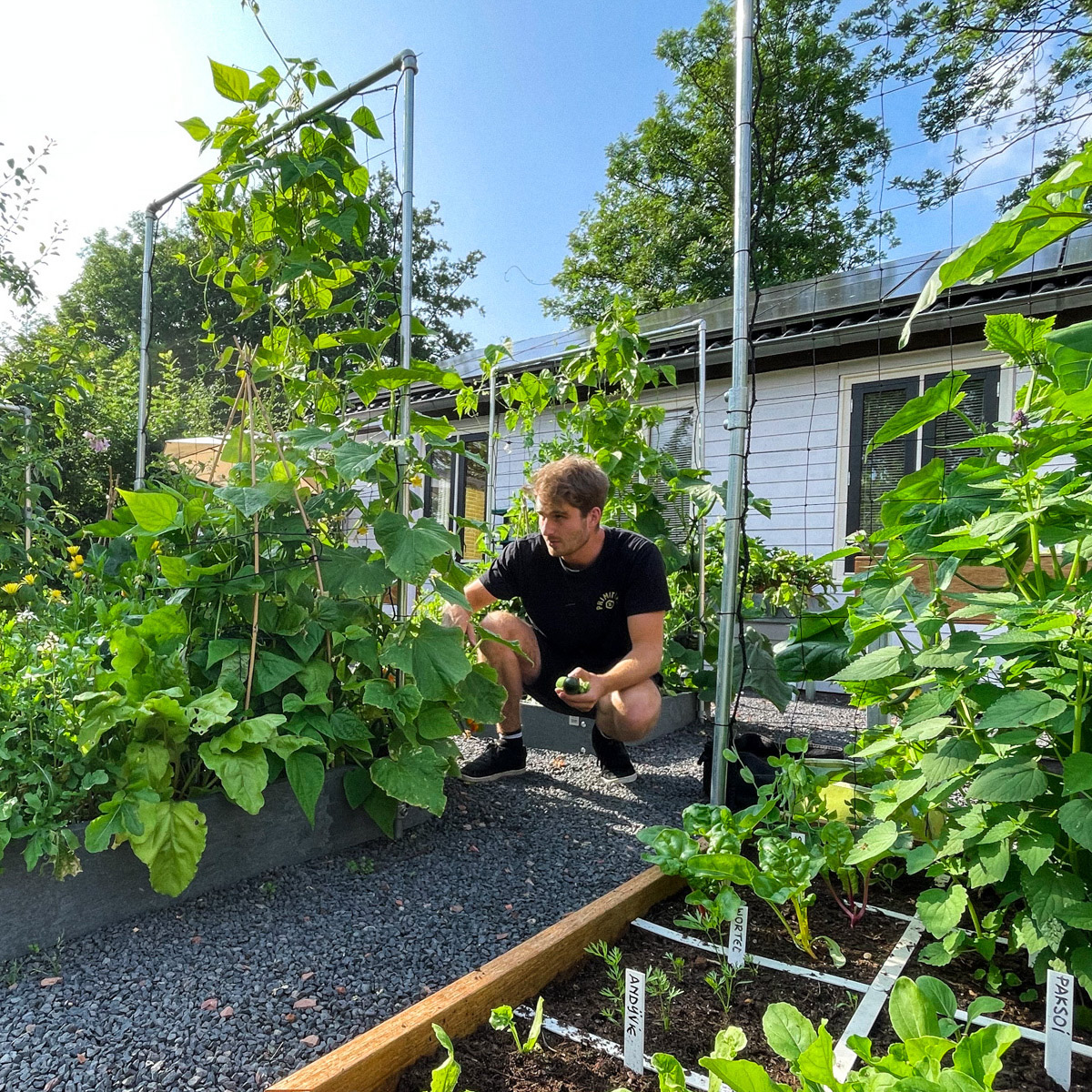
Back from holiday
I do not know about you, but the first thing I do when I get home is go straight into the garden to check on the plants.
Come on, I will show you a few things and share some tips for this time of year. August is the month to freshen up your Makkelijke Moestuin and get it ready for autumn.
Come on, I will show you a few things and share some tips for this time of year. August is the month to freshen up your Makkelijke Moestuin and get it ready for autumn.
Step 1: harvest what you can
It happens regularly in the community: you come back from holiday and there is not a normal courgette, but a giant one hanging from your trellis.
You harvest it, show it off, and make a big pot of soup. But by the time the soup is gone, four more whoppers have appeared. Sound familiar?
You harvest it, show it off, and make a big pot of soup. But by the time the soup is gone, four more whoppers have appeared. Sound familiar?
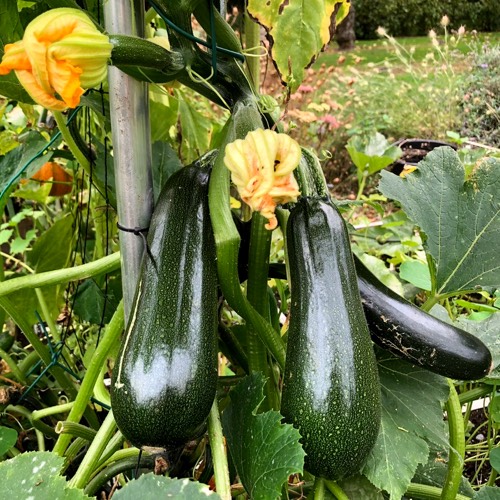
It is the same with cucumbers: they grow incredibly fast. And when tomatoes turn a lovely red or yellow, they look so good that you leave them hanging for a bit longer.
The bunches of dwarf and climbing beans make great photos too. Almost a shame to pick them, so you leave the plants a little longer. But that does not make the beans taste better. The opposite, actually.
The bunches of dwarf and climbing beans make great photos too. Almost a shame to pick them, so you leave the plants a little longer. But that does not make the beans taste better. The opposite, actually.
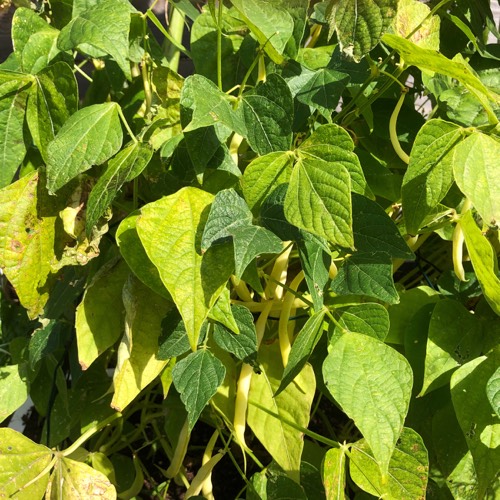
If you don't see any new flowers, and there's just a bean or 2 on the vine, it's best to remove your bean plant. Then your other vegetables get some breathing room and you can sow something new.
The key to a successful Makkelijke Moestuin
The key? Harvest on time.
Harvest as soon as you can, and do not let beans, courgettes, cucumbers, and tomatoes get too big or overripe. They taste less good and quickly start taking over.
Most importantly, harvesting young encourages plants to keep growing and produce new fruit. That means more tasty vegetables.
It is simple: those large fruits already contain seeds, and seeds mean offspring. Plants put their energy into that offspring.
So harvest anything that is even slightly ripe as soon as you can.
Harvest as soon as you can, and do not let beans, courgettes, cucumbers, and tomatoes get too big or overripe. They taste less good and quickly start taking over.
Most importantly, harvesting young encourages plants to keep growing and produce new fruit. That means more tasty vegetables.
It is simple: those large fruits already contain seeds, and seeds mean offspring. Plants put their energy into that offspring.
So harvest anything that is even slightly ripe as soon as you can.
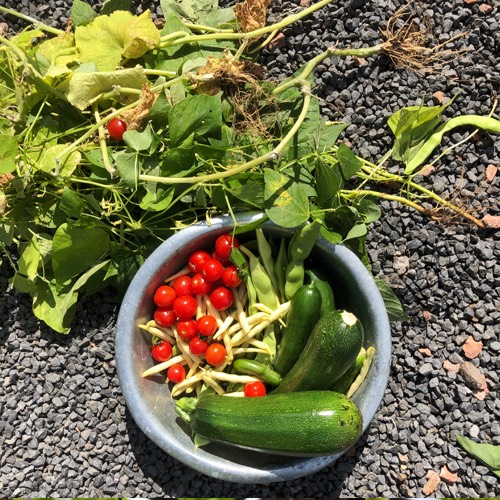
What do you do with all that harvest?
For starters, here is a healthy, quick courgette soup.
Still overwhelmed by vegetables? Invite friends or neighbours over for a fresh garden meal, make soups and sauces for the freezer, or give some away.
You can even leave a free box by the roadside or take some to the food bank. They will be very happy with it.
Still overwhelmed by vegetables? Invite friends or neighbours over for a fresh garden meal, make soups and sauces for the freezer, or give some away.
You can even leave a free box by the roadside or take some to the food bank. They will be very happy with it.
Step 2: remove what can go
After harvesting, remove whatever can go: spent bean plants, yellowing leaves, and courgette leaves that are in the way.
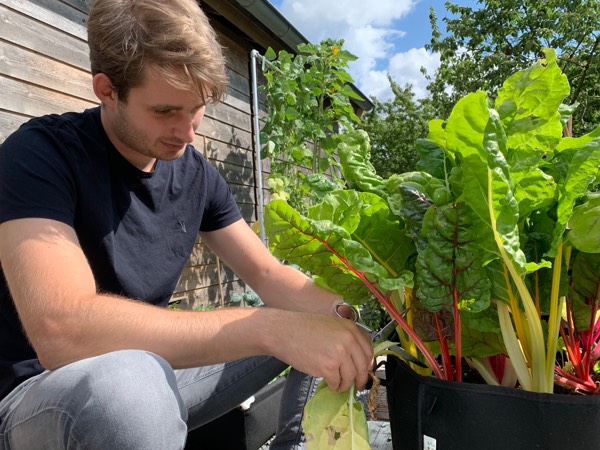
It's normal to see some yellow leaves here and there.
Read more about yellow leaves.
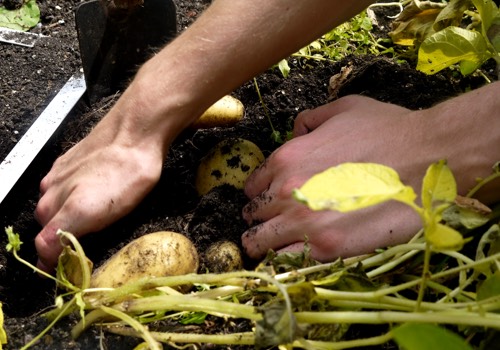
For potatoes and garlic, it's actually a sign that you can harvest.
Read more about yellow leaves.
For potatoes and garlic, it's actually a sign that you can harvest.
Plants that give up
They're a part of every vegetable garden: the plants that just give up. Why is often a mystery.
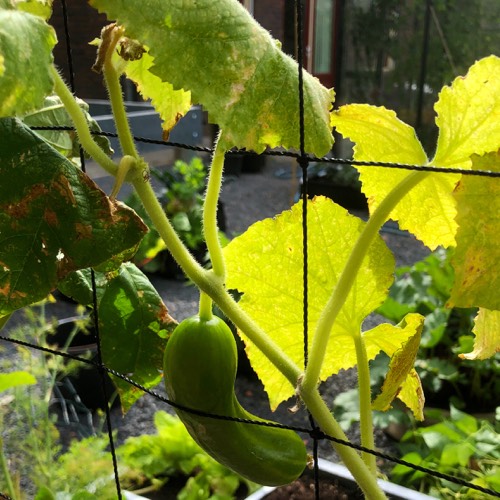
Just look at this cucumber: no idea what's wrong with it. His brothers and sisters are doing just fine.
Just look at this cucumber: no idea what's wrong with it. His brothers and sisters are doing just fine.
A courgette that will not grow, beans that suddenly dry out, or small plants that just seem to do nothing at all.
It is all fairly normal in summer. And the exact reason does not really matter: the important thing is that these plants will never do well again, no matter how often you check and hope for improvement.
It is better to remove them. Then you do not have to look at the poor things every day.
It is all fairly normal in summer. And the exact reason does not really matter: the important thing is that these plants will never do well again, no matter how often you check and hope for improvement.
It is better to remove them. Then you do not have to look at the poor things every day.
Step 3: give your summer vegetables some attention
If all goes well, your tomatoes, courgettes and cucumbers will remain in the raised bed for quite some time. Let us look at them one by one:
Tomatoes
Tomatoes
Make sure your tomatoes get enough sun. The more sun, the sweeter they'll become.
Cut off any leaves that are hanging in front of the tomato fruits. As long as you leave about 6-7 leaves on the plant, it will produce enough nutrients.
Cut off any leaves that are hanging in front of the tomato fruits. As long as you leave about 6-7 leaves on the plant, it will produce enough nutrients.
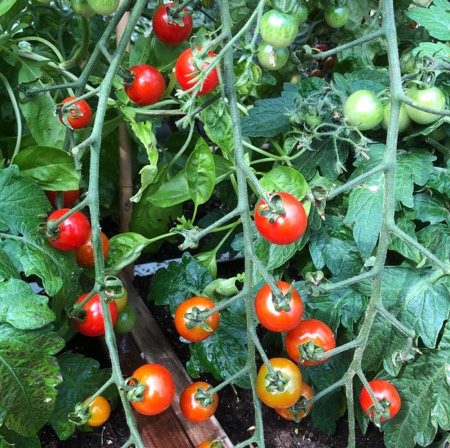
And keep a close eye on the leaves and stems. When it's hot and humid, excessively wet, or cold, the dreaded tomato blight can strike.
Read more about tomato blight.
Our cherry tomato is less susceptible to blight than other tomato varieties. It was bred for this purpose.
Bursting tomatoes
Make sure that the MM-Mix stays moist from top to bottom. If you let it dry out and then drench it with water, the ripe fruits will burst.
Read more about tomato blight.
Our cherry tomato is less susceptible to blight than other tomato varieties. It was bred for this purpose.
Bursting tomatoes
Make sure that the MM-Mix stays moist from top to bottom. If you let it dry out and then drench it with water, the ripe fruits will burst.
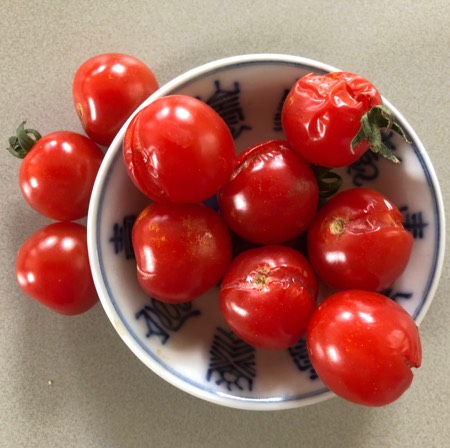
Eat or preserve cracked tomatoes as soon as possible. Once a tomato has split, it spoils more quickly.
Because there can be heavy downpours now, you should also water a little more during dry spells.
That also reduces the chance of blossom-end rot: the dark patch at the bottom of a tomato. It does not look great, but it does not harm the rest of the plant. Just remove the affected tomatoes.
Because there can be heavy downpours now, you should also water a little more during dry spells.
That also reduces the chance of blossom-end rot: the dark patch at the bottom of a tomato. It does not look great, but it does not harm the rest of the plant. Just remove the affected tomatoes.
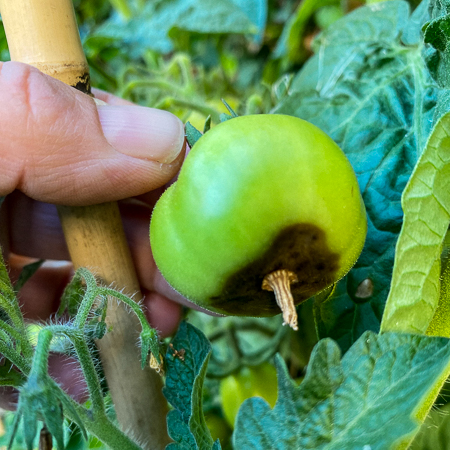
If it's been raining a lot, you should give your tomato plant extra water during the dry spells.
Eat or preserve cracked tomatoes as soon as possible. Cracked tomatoes tend to go bad more quickly.
Topping tomatoes
Tomato plants will continue to grow, but to harvest as many ripe tomatoes as possible, you should top them at the end of August. After that, your plant puts all its energy into ripening the tomatoes that are already there instead of creating new leaves and flowers.
Find the highest flowering stem that has green tomatoes growing on it. Then cut off the rest of the main stem above that.
It's best if you leave a leaf or 2 at the top of the plant.
Eat or preserve cracked tomatoes as soon as possible. Cracked tomatoes tend to go bad more quickly.
Topping tomatoes
Tomato plants will continue to grow, but to harvest as many ripe tomatoes as possible, you should top them at the end of August. After that, your plant puts all its energy into ripening the tomatoes that are already there instead of creating new leaves and flowers.
Find the highest flowering stem that has green tomatoes growing on it. Then cut off the rest of the main stem above that.
It's best if you leave a leaf or 2 at the top of the plant.
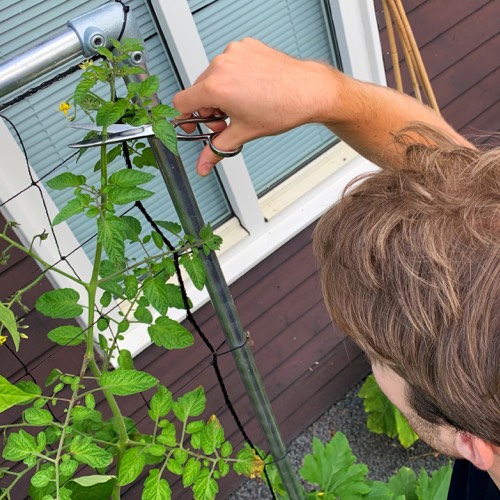
Once topped, the plant will produce extra suckers. Check regularly and remove suckers right away.
Courgettes and cucumbers
Courgettes and cucumbers
Harvest regularly, preferably before the fruits get too big.
Tie the stem of your climbing courgette to the trellis at least once a week. It grows incredibly fast in August, and before you know it the stem can bend and snap.
Tie the stem of your climbing courgette to the trellis at least once a week. It grows incredibly fast in August, and before you know it the stem can bend and snap.
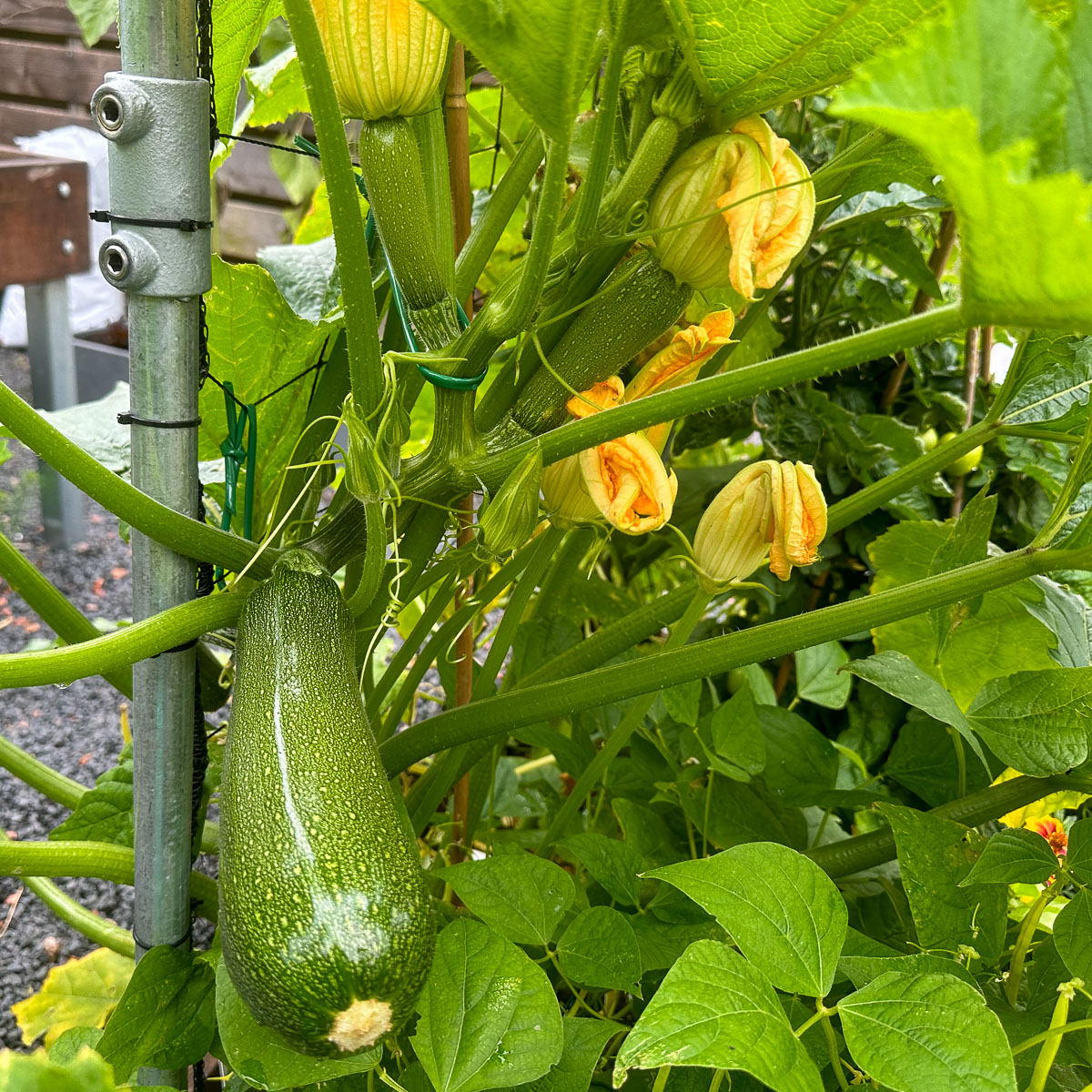
Cut off any courgette leaves that get in your way. That is fine, as long as you leave enough healthy leaves on the plant.
Why do courgettes fall off when they are still small?
Sometimes courgette, cucumber, and pumpkin fruits fall off before they even start to grow.
Read why that happens and what you can do about it here.
Why do courgettes fall off when they are still small?
Sometimes courgette, cucumber, and pumpkin fruits fall off before they even start to grow.
Read why that happens and what you can do about it here.
Step 4: top up the plant food
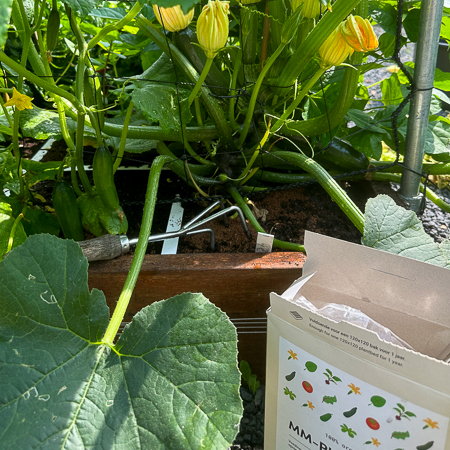
Summer vegetables stay in their squares for a long time, so give them a scoop of extra plant food every five weeks. That keeps them strong and healthy for as long as possible.
Step 5: keep your squares filled
The season is far from over: there are still a few months before it gets really cold.
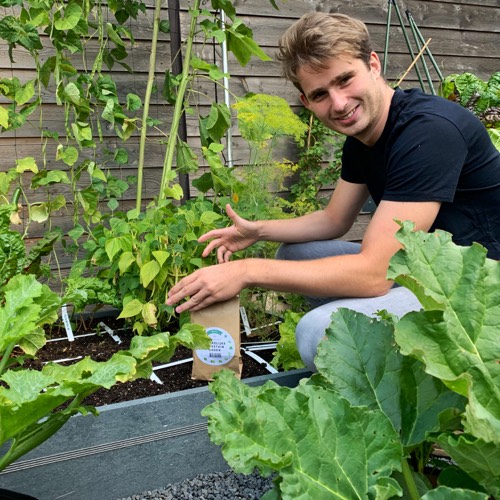
Do not be afraid to remove a plant now and then, even if you have not harvested every last leaf. As soon as I notice that a lettuce is turning bitter, I pull it out without hesitation and put it on the compost heap. Better still, I use it in a stir-fry or make soup with it.
Because I have already sown lettuce in other cleared squares, I can keep harvesting. That is how you make the most of your raised bed.
Do not be afraid to remove a plant now and then, even if you have not harvested every last leaf. As soon as I notice that a lettuce is turning bitter, I pull it out without hesitation and put it on the compost heap. Better still, I use it in a stir-fry or make soup with it.
Because I have already sown lettuce in other cleared squares, I can keep harvesting. That is how you make the most of your raised bed.
What can you sow in August?
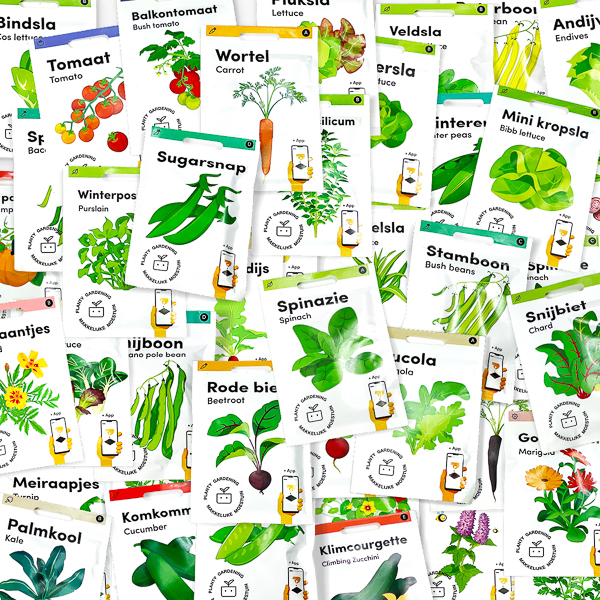
According to the app, you can sow all this:
According to the app, you can sow all this:
- Endive
- Beet
- Chioggia beet
- Cos lettuce
- Marigold
- Cilantro
- Turnip
- Bibb lettuce
- Bok choi
- Carrot
- Purple carrot
- Dino kale
- Snow pea
- Lettuce
- Asian salad mix
- Radish
- Arugola
- Chard
- Spinach (starting mid-August)
- Purslane
- Winter lettuce
You can find all the seeds in the shop:
August in brief
In August, freshen up your Makkelijke Moestuin in five steps:
- harvest whatever you can
- remove whatever can go
- give your summer vegetables some extra attention
- top up the plant food
- sow your empty squares again
So, now you know how I do it.
Have fun!
Have fun!