All about MM water reservoirs
It works so well that we recommend it to everyone who wants genuinely easy vegetable gardening.
Can you still garden the MM way without a reservoir and water by hand? Yes, you can, with good results, just as we did from 2008 to 2025.
But: on this page, I'll explain why a smart water reservoir helps your plants grow much better while saving you time and effort: how it works, how to water, and how often that's needed.
And that's exactly what our water reservoirs achieve.
Why choose our water reservoirs?
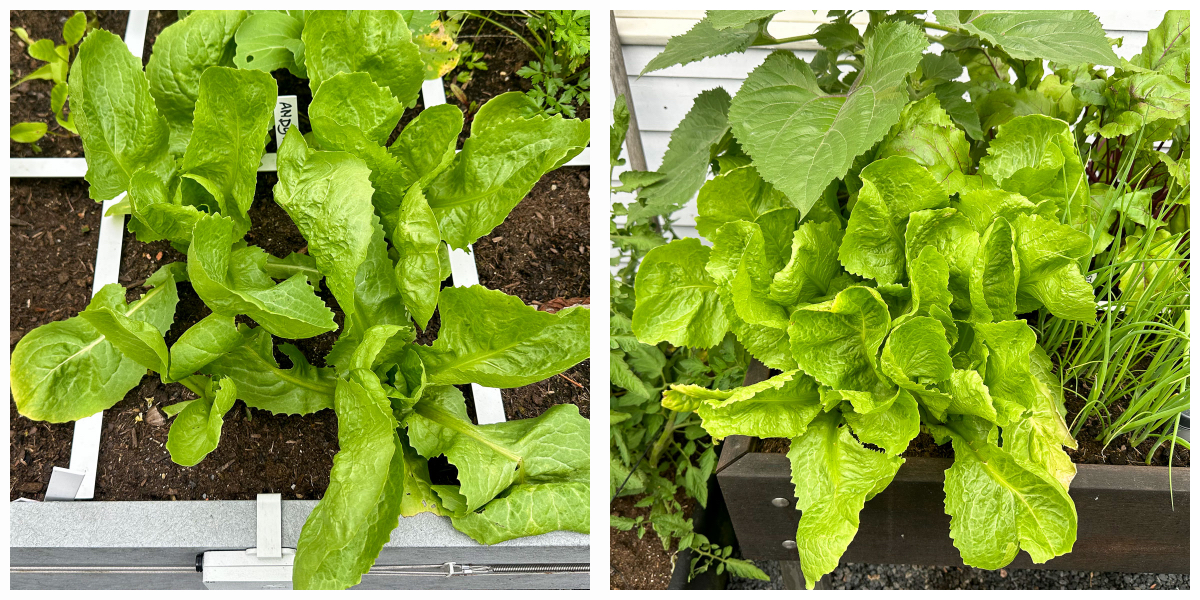
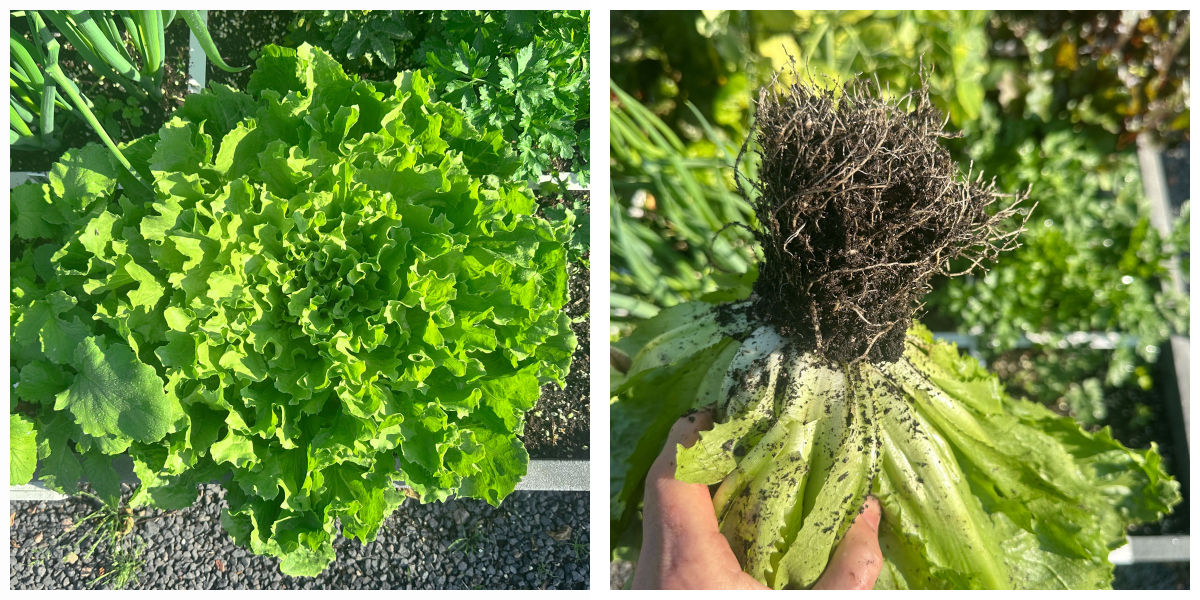
Look at this endive. We sowed both plants on the same day in mid-July last year: the one on the left grew without a reservoir and was watered every day; the one on the right grew with a reservoir that we filled at the start and then left alone:
As well as convenience, they give you much more freedom
Fill the reservoirs just before you leave, and your plants will keep growing.
What is an MM water reservoir, and how does it work?
We make these hollow reservoirs ourselves from sturdy LLDPE plastic. They can withstand both heat and frost, are 100% food-safe, easy to recycle, and extremely strong.
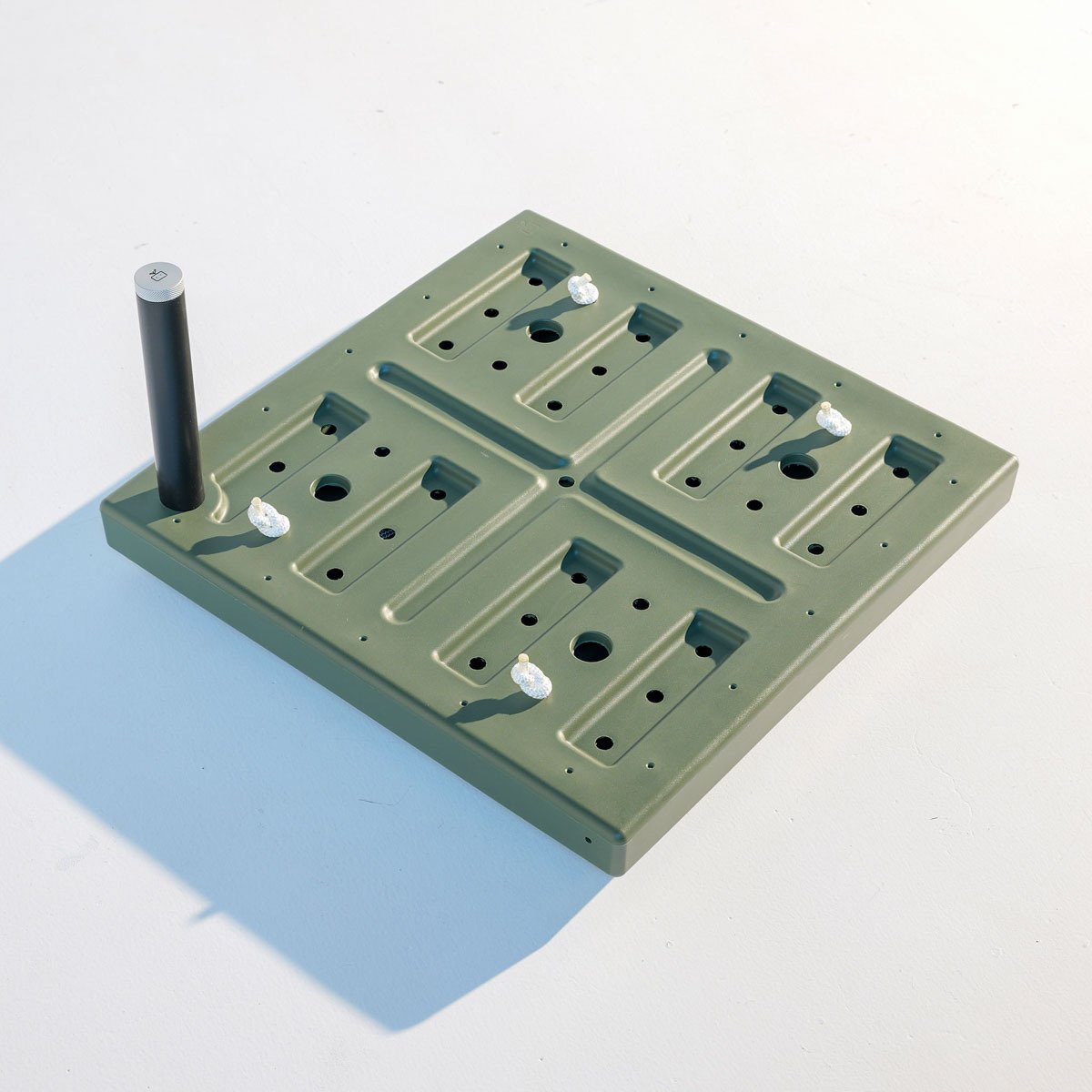
The watertight reservoirs measure 60 x 60 cm, are 8 cm high, and hold about 15 litres of water.
Here's how they're constructed:
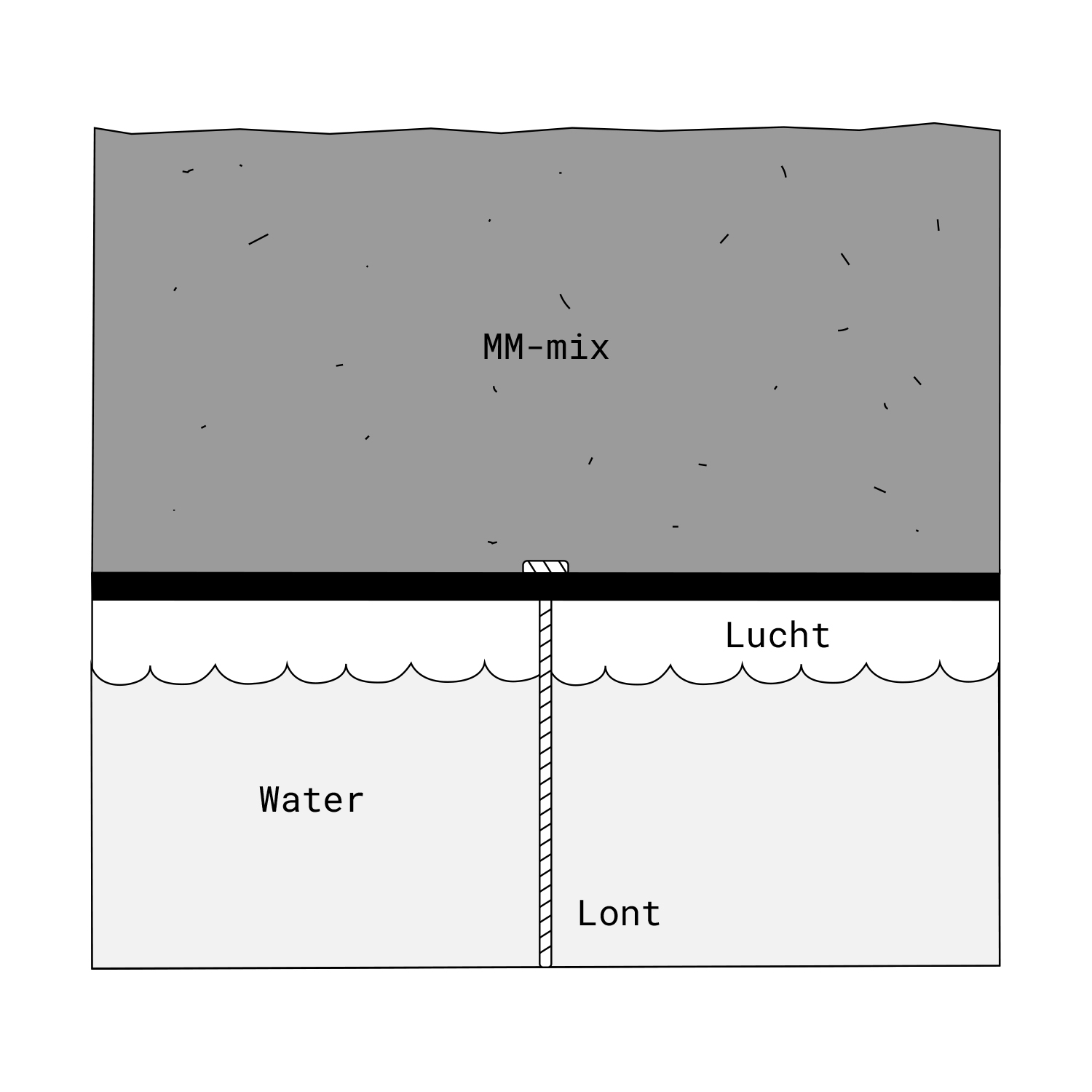
- at the bottom: a large water reservoir of about 15 litres
- above it: an air layer of about 2 cm
- inside: wicks that draw the water upwards
- on top: the growing mix
The wicks absorb water from the reservoir and draw it up into the mix, which carries it further, but only as much as needed. This means the mix is never too wet or too dry.
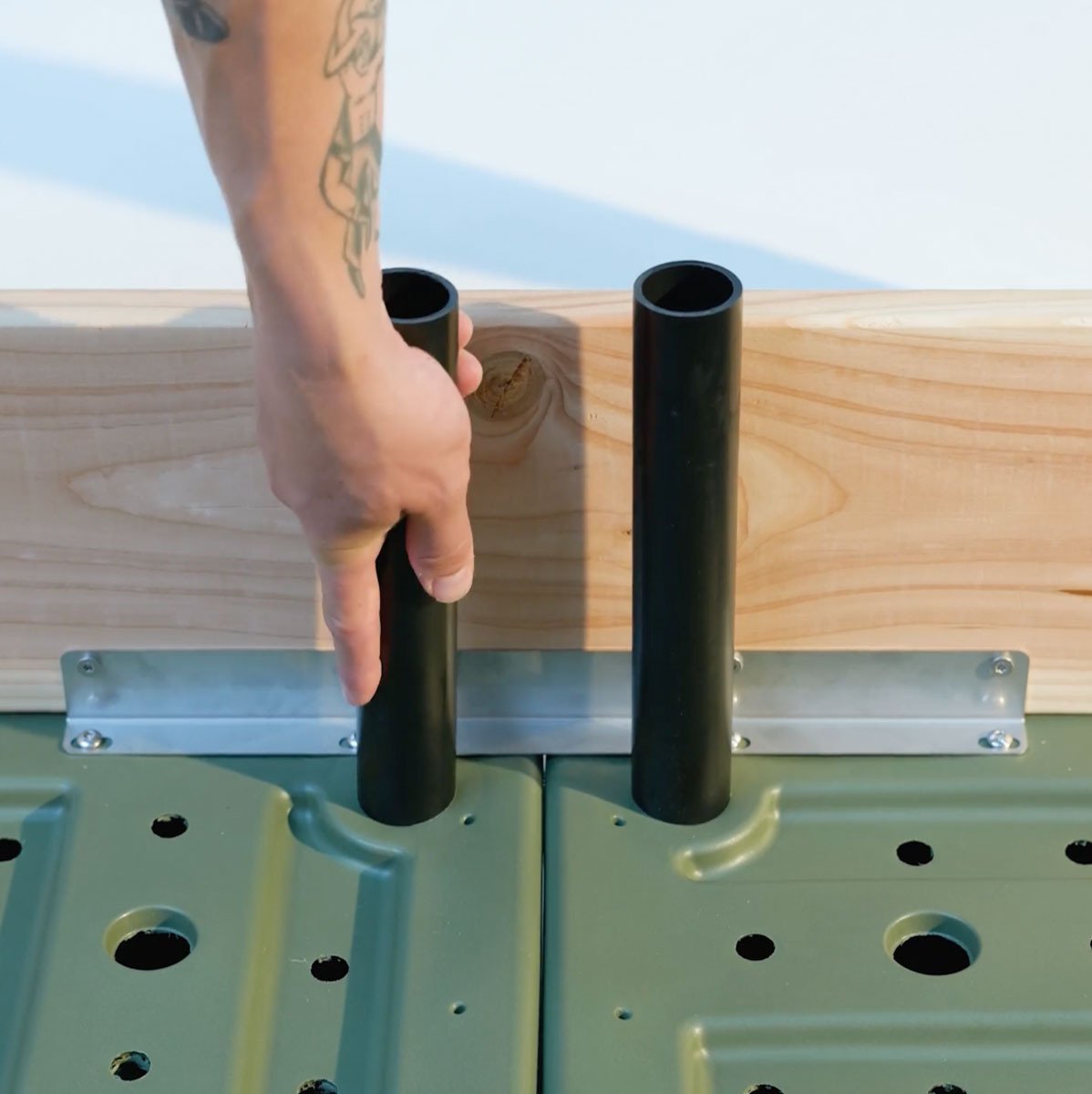
There are also large holes on top for the filling pipe, smaller holes for ventilation and the wicks, and two overflow holes at the sides.
Why is air around the roots so important for plants?
The result:
- the roots don't get oxygen
- waste products build up
- the roots become damaged and start to rot
- fungi and diseases get their chance
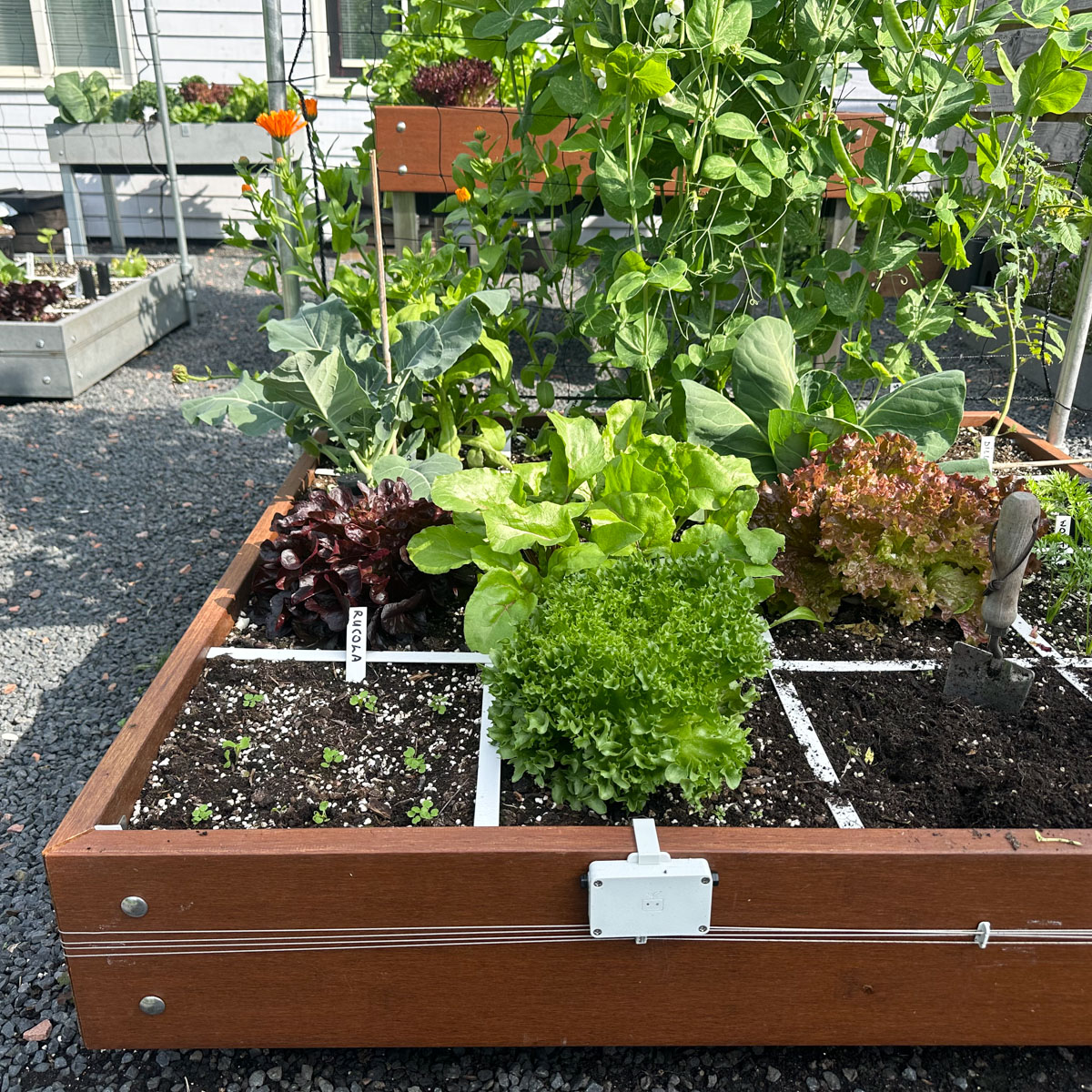
Give them that air and everything grows quickly, you can harvest regularly, and you can sow something new in the squares more often:
A light, airy mix for water reservoirs
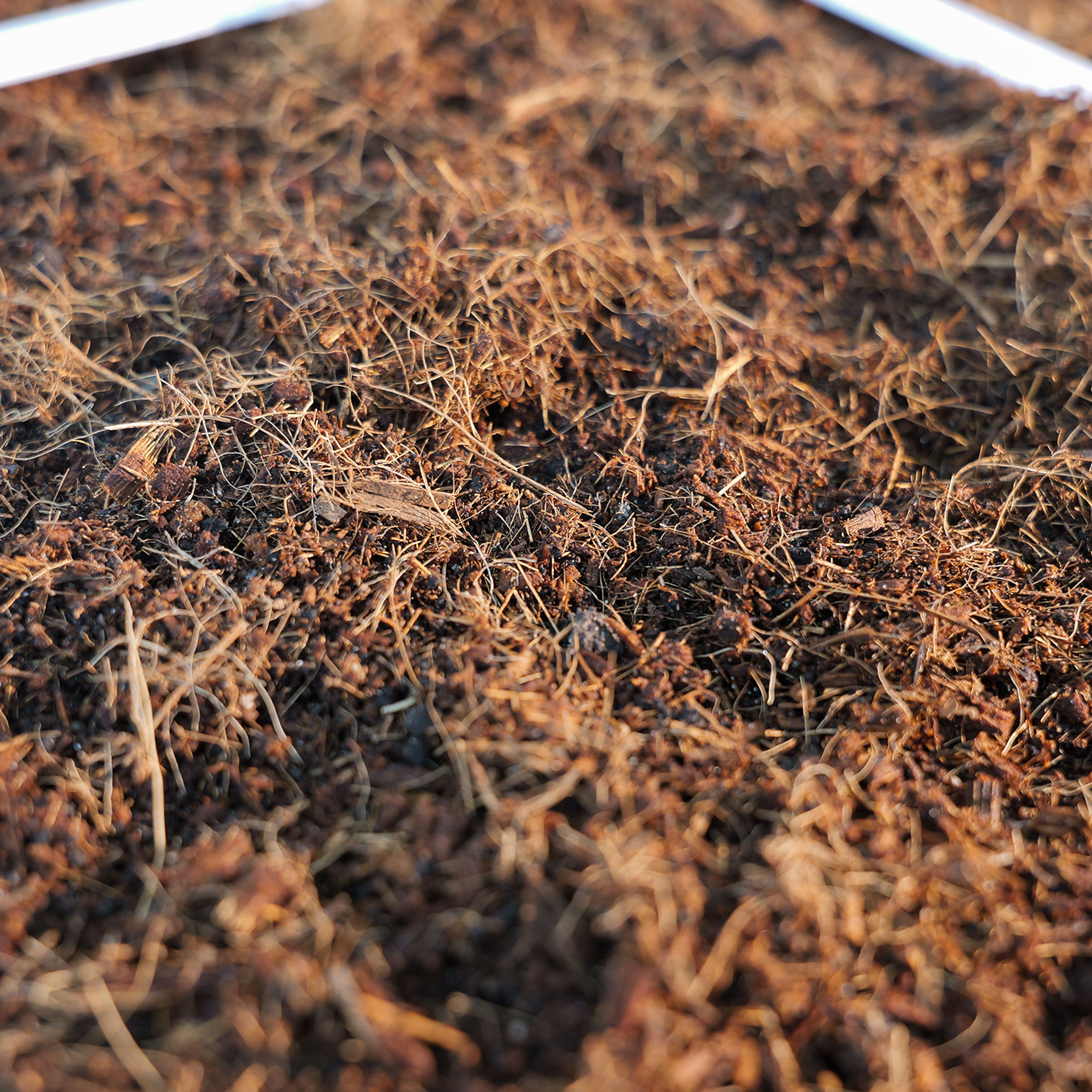
With a raised bed that has water reservoirs, it's especially important for the mix to remain airy, even during heavy rain. That's why we recommend using our new MM-kokosmix.
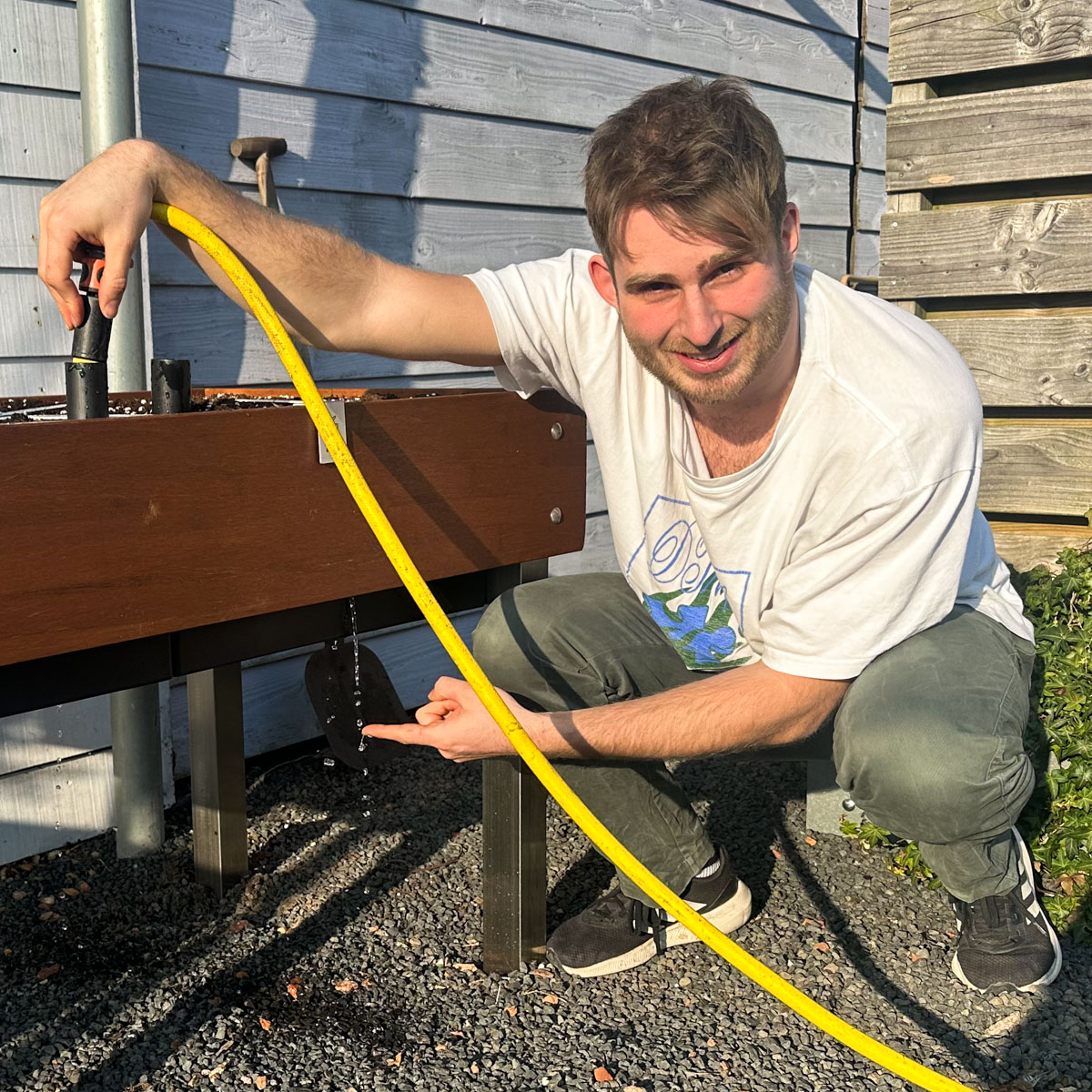
How do you water with an MM water reservoir?
Sun and wind dry out the top layer of the mix fairly quickly. After sowing, continue giving a little extra water from above every day until the seedlings develop their first true leaves. Their roots will then be long enough to reach the moist mix.
Look down the filling pipe to check whether there's still water in the reservoir. Do this:
- in dry weather: usually once every two weeks
- during prolonged rain: sometimes it won't be necessary for quite a while, because rain also fills the reservoirs
Extra check with traditional MM-mix
If the mix is still dry 8 to 10 cm below the surface, wet it thoroughly from above.
Do this in stages - for example, three times with about five minutes between each watering - so the mix can absorb the water properly. Then check it again.
If you use MM-kokosmix, you don't need this extra check. The coconut fibres continue drawing up water even during prolonged hot, dry weather.
What if it keeps raining?
What should you do during a heatwave, with extreme heat and dry wind?
Give vulnerable plants some shade and moisten the top layer of the mix. Take extra care to water the mix rather than the leaves.
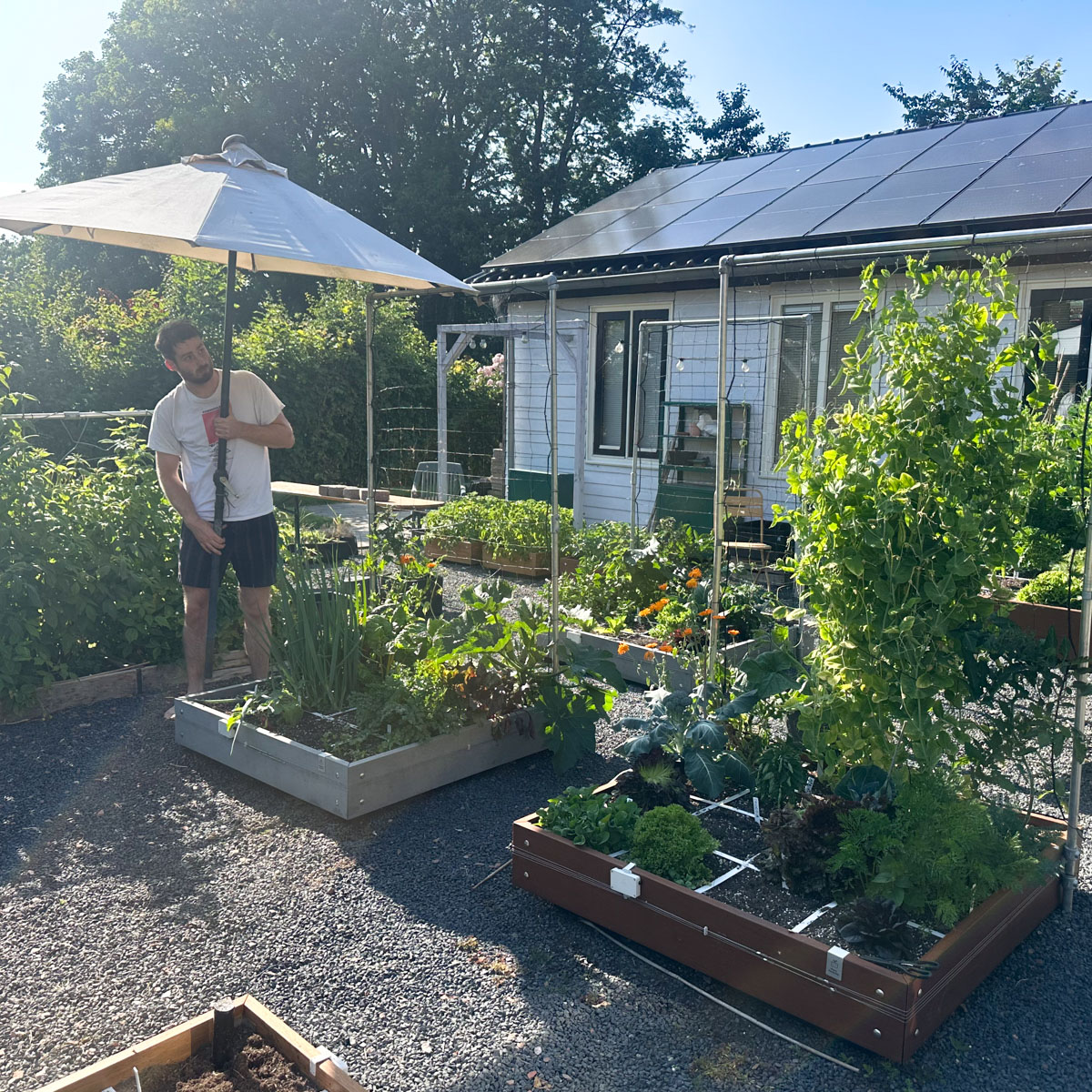
How are the plants doing?
When the first reservoirs came out of the machine last year, we started testing immediately. That was around mid-July, and by early September we were overwhelmed with produce:
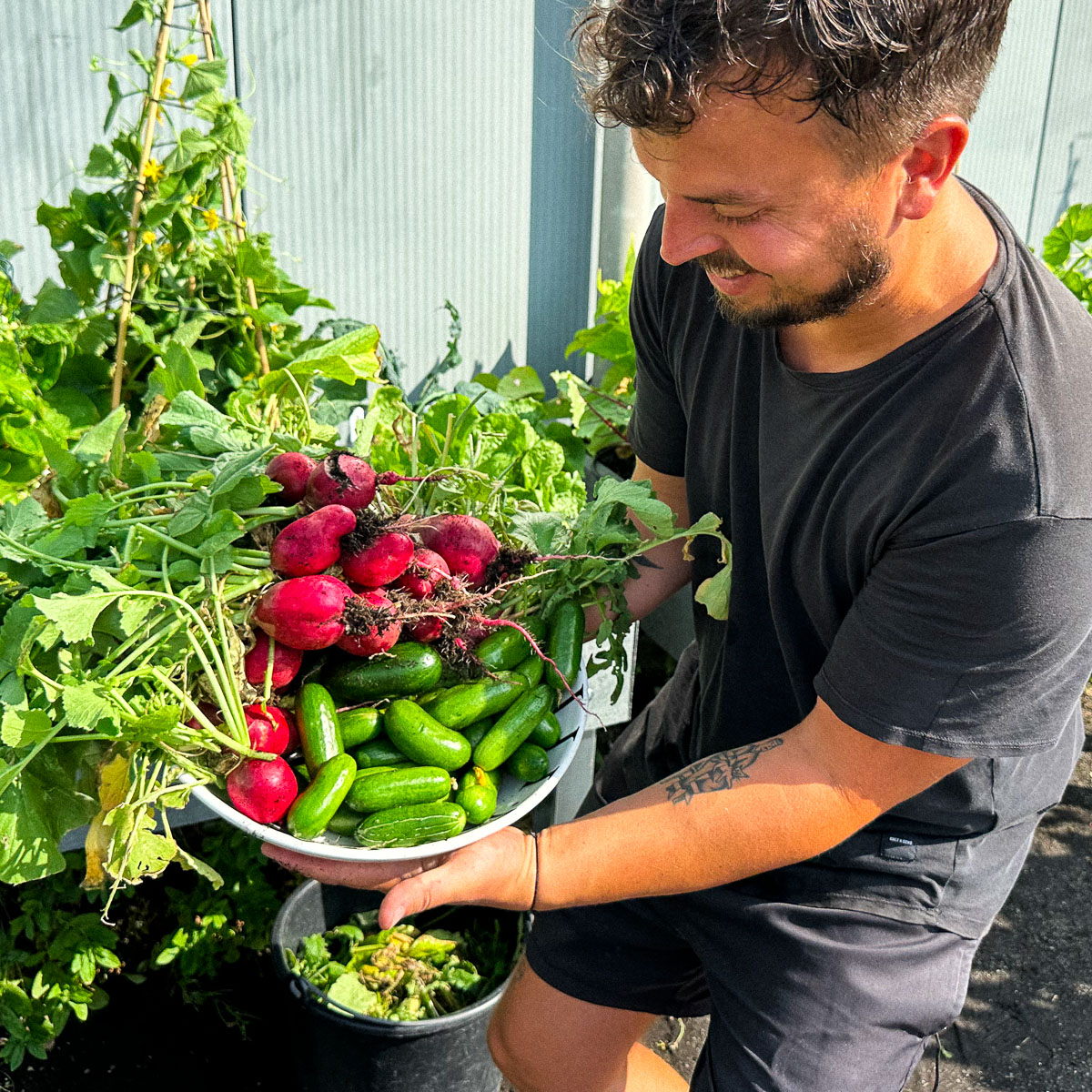
So we scaled up production and put the reservoirs in the shop in spring 2025. We also converted all our own raised beds and began sowing in March, with results including:
- a huge first head of Baby broccoli
- summer spinach that needed harvesting after four weeks
- healthy bush basil plants, all the same size
- excellent results from this year's test seeds
- more and larger strawberries
- fuller heads of pak choi
- Crispy leaf lettuce that quickly fills the entire square
- beautiful heads of cos lettuce
- and climbing zucchini plants that grow quickly and strongly, with the first harvest around late June

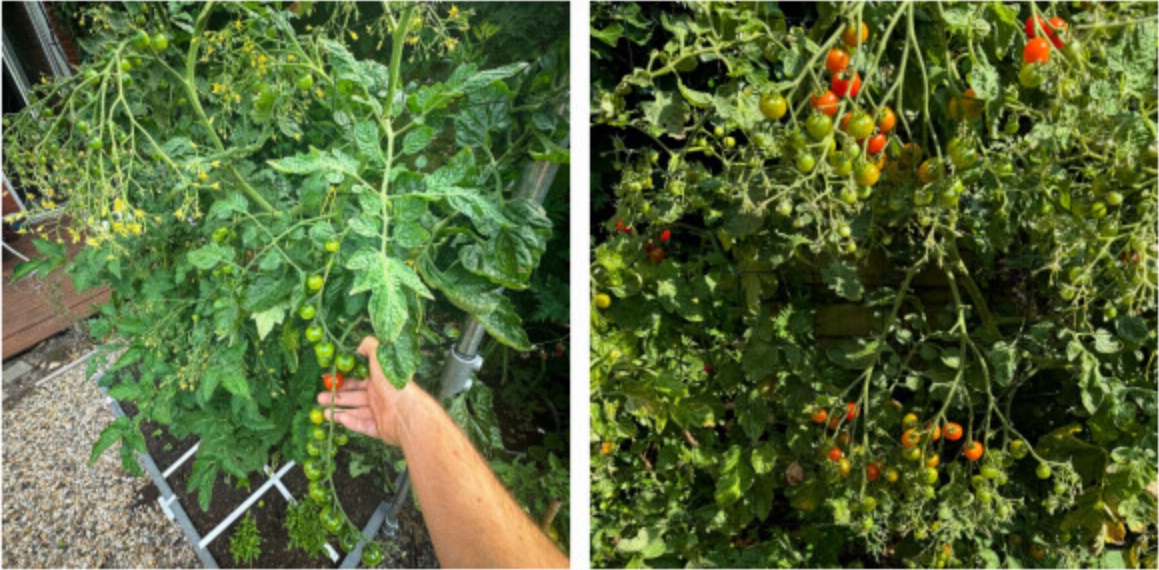
And we certainly aren't the only ones who are so enthusiastic:
I recently started using water reservoirs, and I'm delighted with them. They give me peace of mind because I don't need to water as often. I've also noticed that the leaves are larger, brighter and greener.
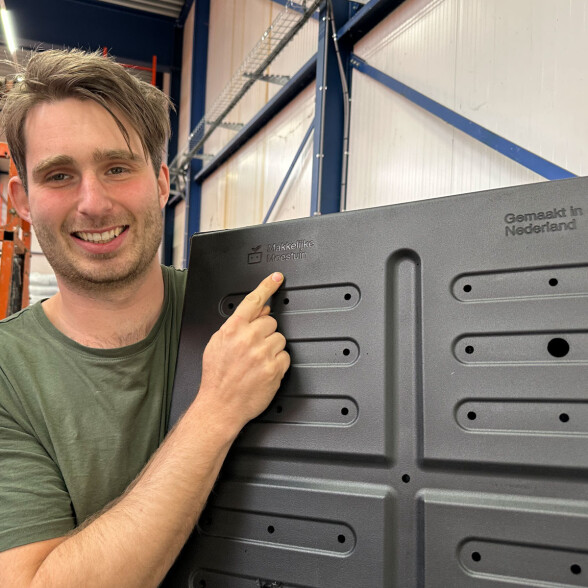
Where do these reservoirs come from?
We designed and built the machines ourselves too. It's quite a remarkable story.
You can read more about it here.
Voor welke bakken zijn deze reservoirs geschikt?
Versie 1.0
Ons eerste reservoir is zwart - en maakten we voor de Hero- en bamboe moestuinbakken.
Omdat daarbij de reservoirs aan de planken hangen, zijn die niet geschikt om te gebruiken in onze oudere MM-original bakken van Douglas- of Peppelhout of in welke andere houten of zelfgemaakte bak dan ook.
Dat komt omdat er een enorm gewicht komt te hangen op de profielen die de waterreservoirs moeten dragen: van én de vochtige mix én de gevulde reservoirs.
Samen al snel zo'n 200 kg. of meer.
Verbindingen en schroeven in hout dat te maken heeft met de vochtige omstandigheden van een moestuinbak laten vrij snel los - het hout vergaat immers. Als dat gebeurt vallende reservoirs en de grond naar beneden, wat bij een tafelbak ook best gevaarlijk kan zijn.
Daarom maakten we in de zomer van 2026 nog een tweede reservoir:
Which raised beds are these reservoirs suitable for?
Versie 2.0
They are not suitable for our older MM-original raised beds made from Douglas fir or poplar, or for any other wooden or homemade raised bed.
The profiles supporting the reservoirs carry an enormous weight: both the moist mix and the filled reservoirs, quickly adding up to around 200 kg or more.
Joints and screws in wood exposed to the damp conditions of a raised bed can come loose fairly quickly as the wood deteriorates. If that happens, the reservoirs and mix will fall, which can be dangerous with a table-height raised bed.
It can also happen in a ground-level raised bed and will certainly prevent the reservoirs from working properly. So don't do it.
These types of raised bed are therefore NOT suitable for the reservoir conversion kits:
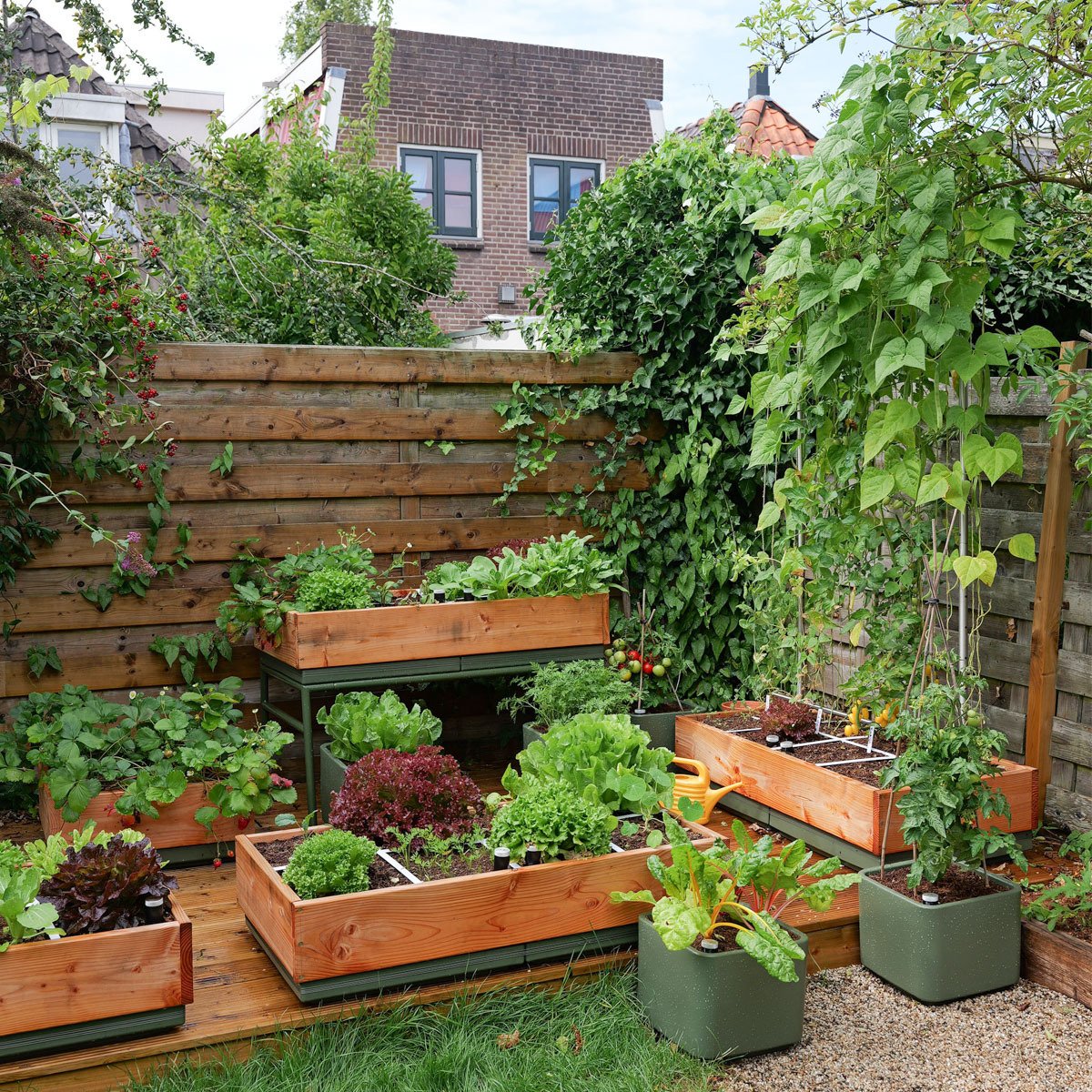
So, now you know why we garden with water reservoirs
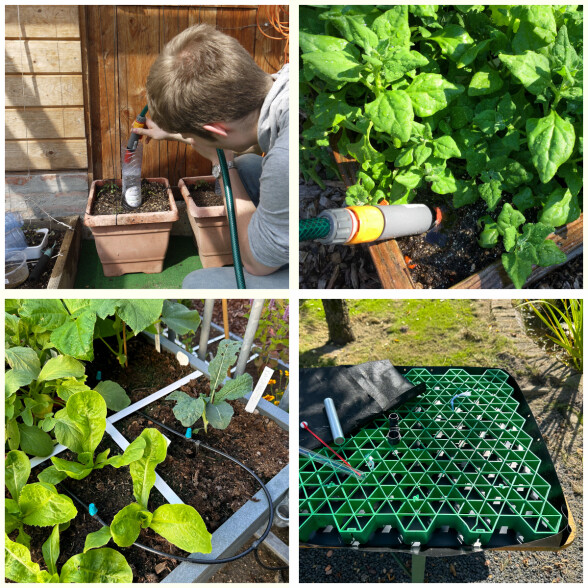
- Upside-down bottles: you either have to refill them every day or they provide too little water
- Sprinkler system: gets the leaves wet
- Drip irrigation with tubes: a huge amount of work to connect and adjust, with tubes all over your garden. It's also much more expensive than our water reservoir
Jazeker, want onze nieuwste moestuinbakken zijn gemaakt met houten planken en daar moest een nieuw ontwerp voor komen.
Deze groene reservoirs worden voorlopig nog alleen bij die bakken geleverd, maar als we daar uiteindelijk, als we genoeg voorraad hebben, gaan we ze ook los verkopen. En dan kun je er zelfs je eigen planken op monteren.