
How to recognise, prevent, and deal with mildew
White spots on the leaves of your vegetables? It is probably powdery mildew.
Is that bad, how do you recognise it, and what can you do about it?
Is that bad, how do you recognise it, and what can you do about it?
What is mildew?
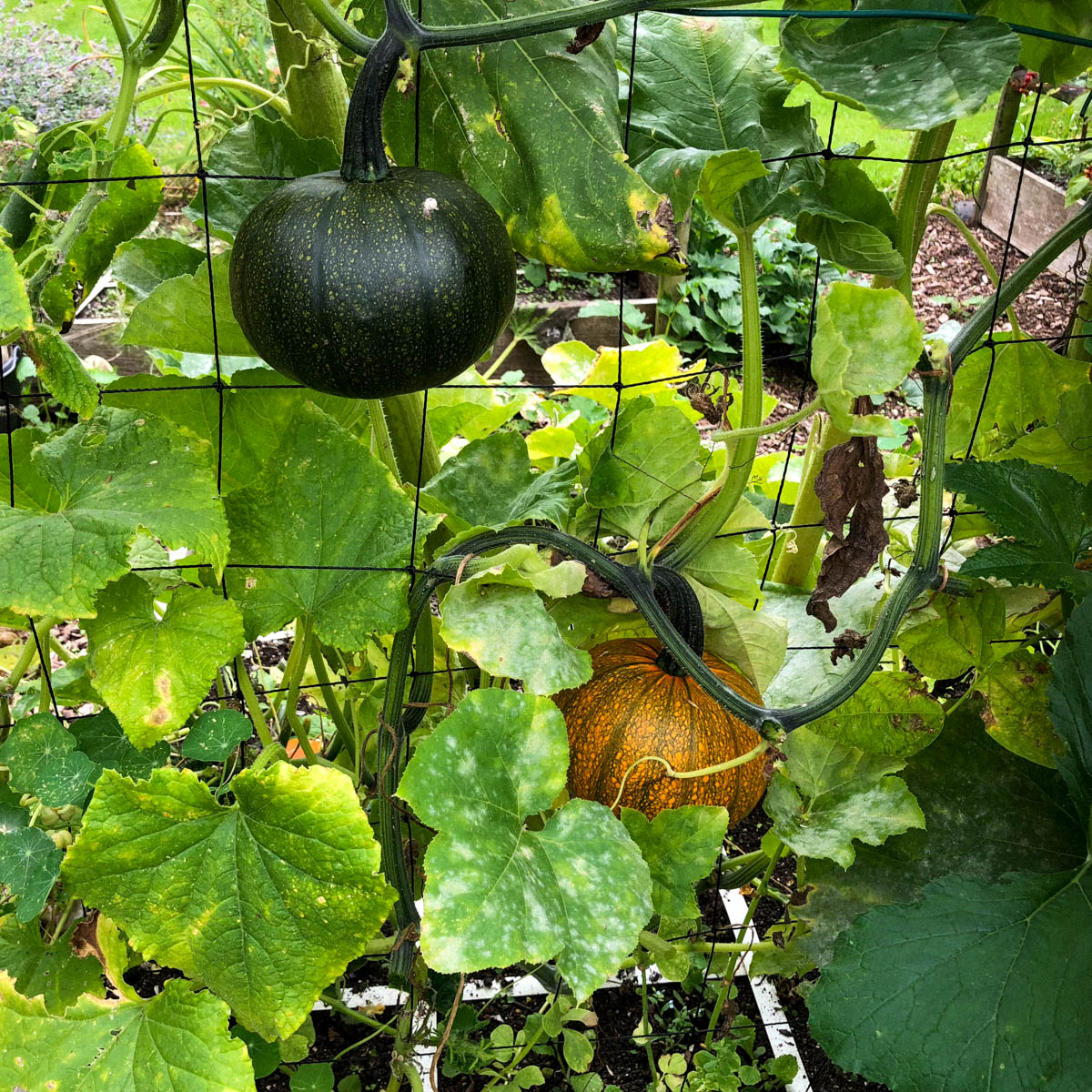
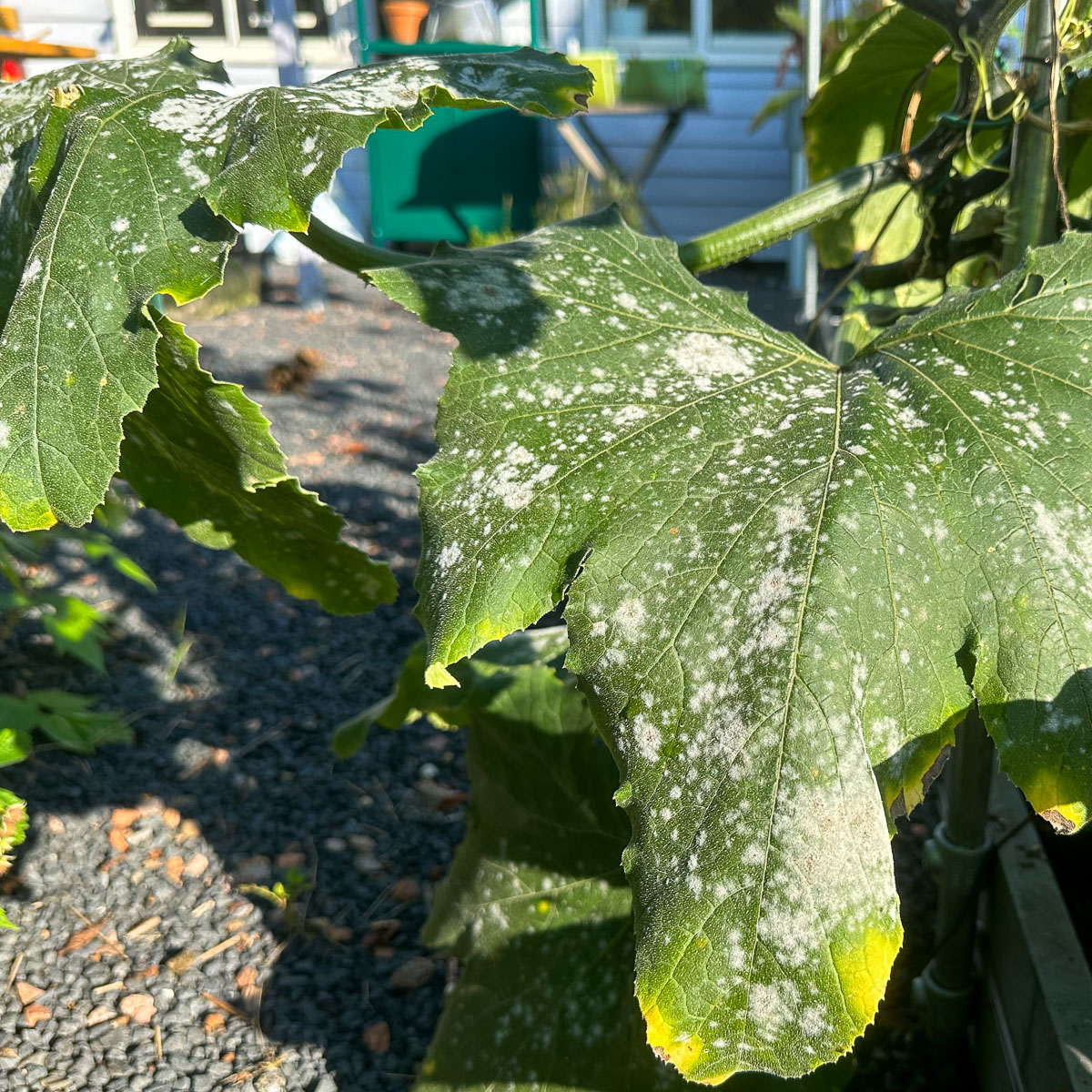
Mildew is a common fungal disease. It is easy to spot: you see white, powdery patches on the top of vegetable leaves.
A little mildew is no problem: your plants can handle it.
But if mildew covers the whole leaf, the leaf dies. If it spreads across the whole plant, that is a problem.
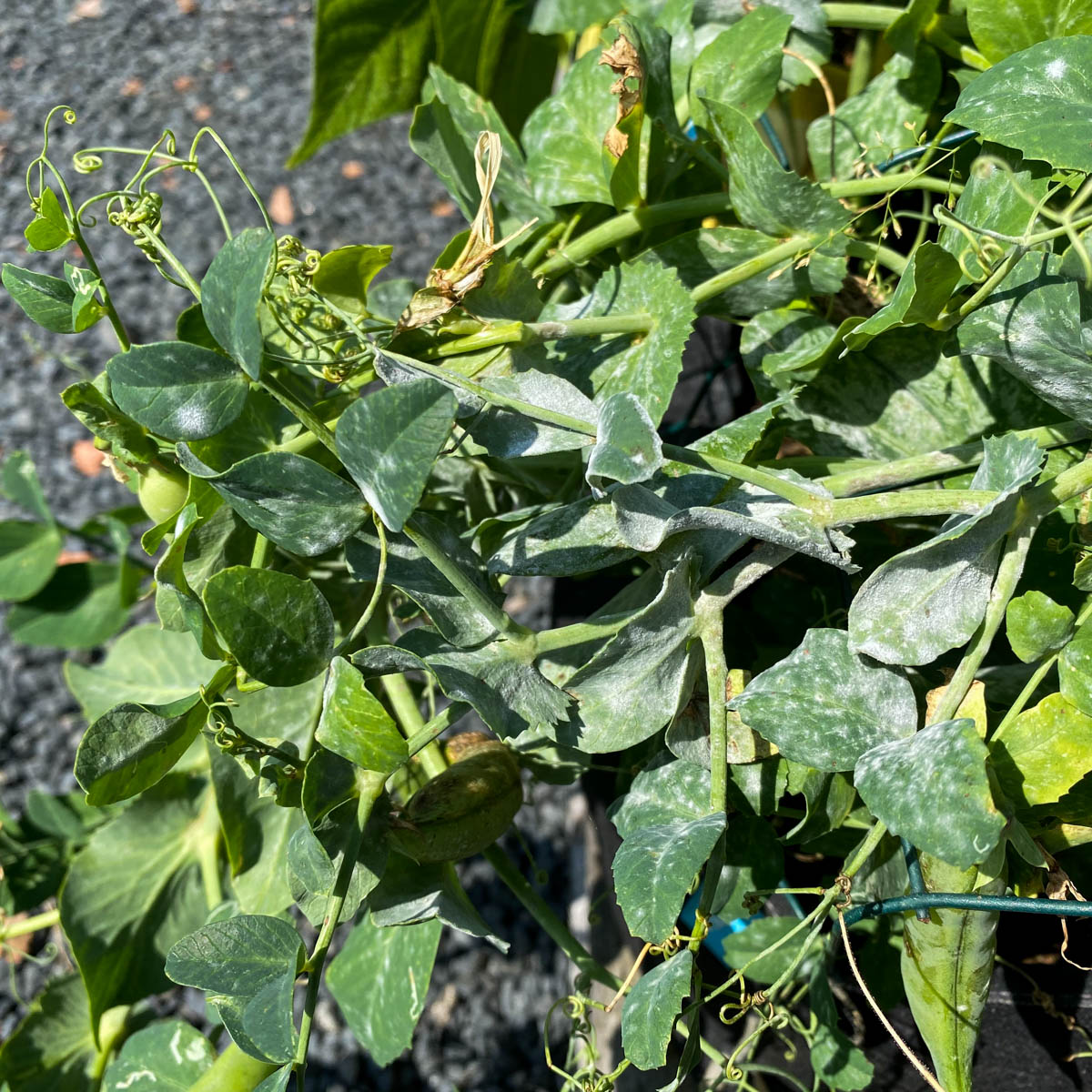
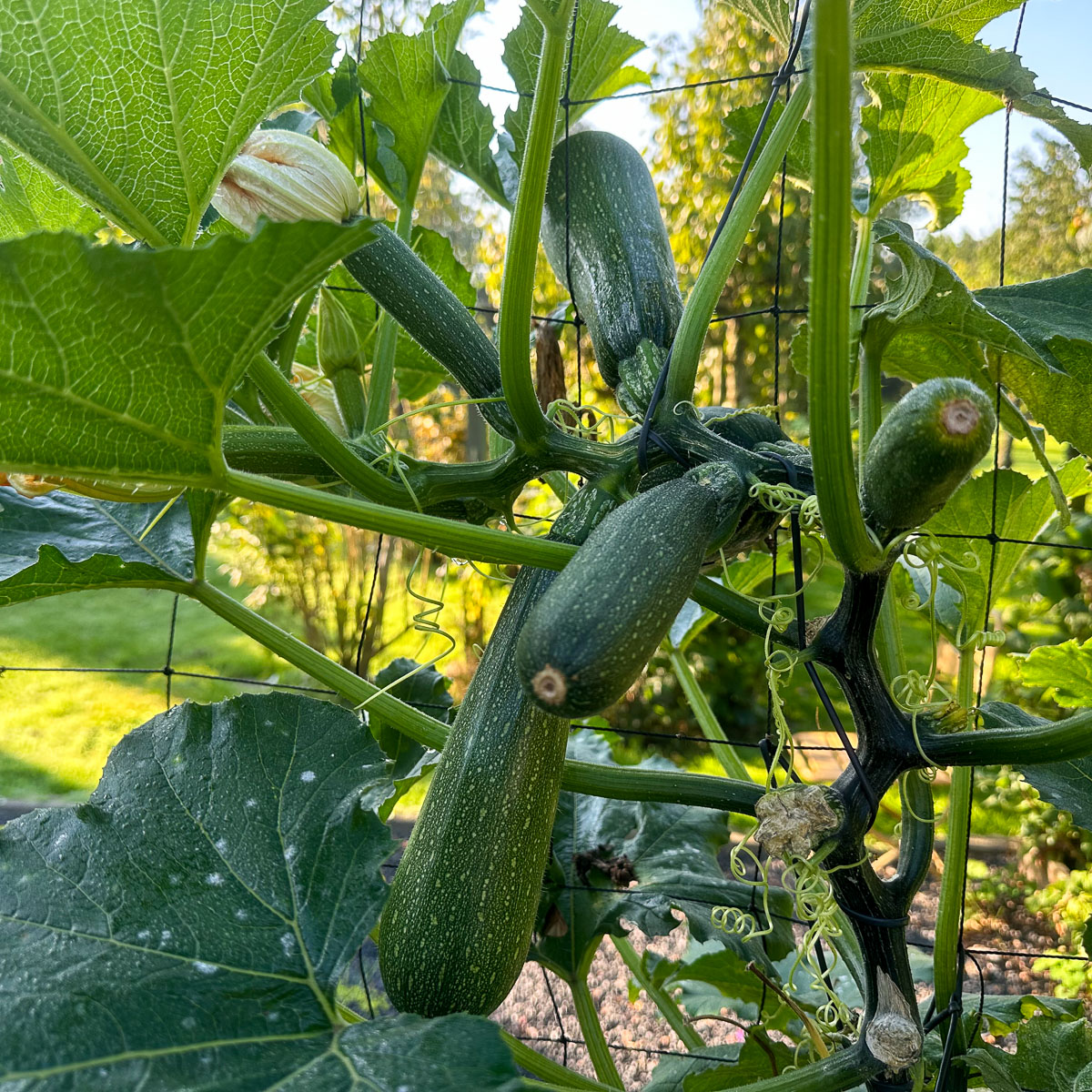
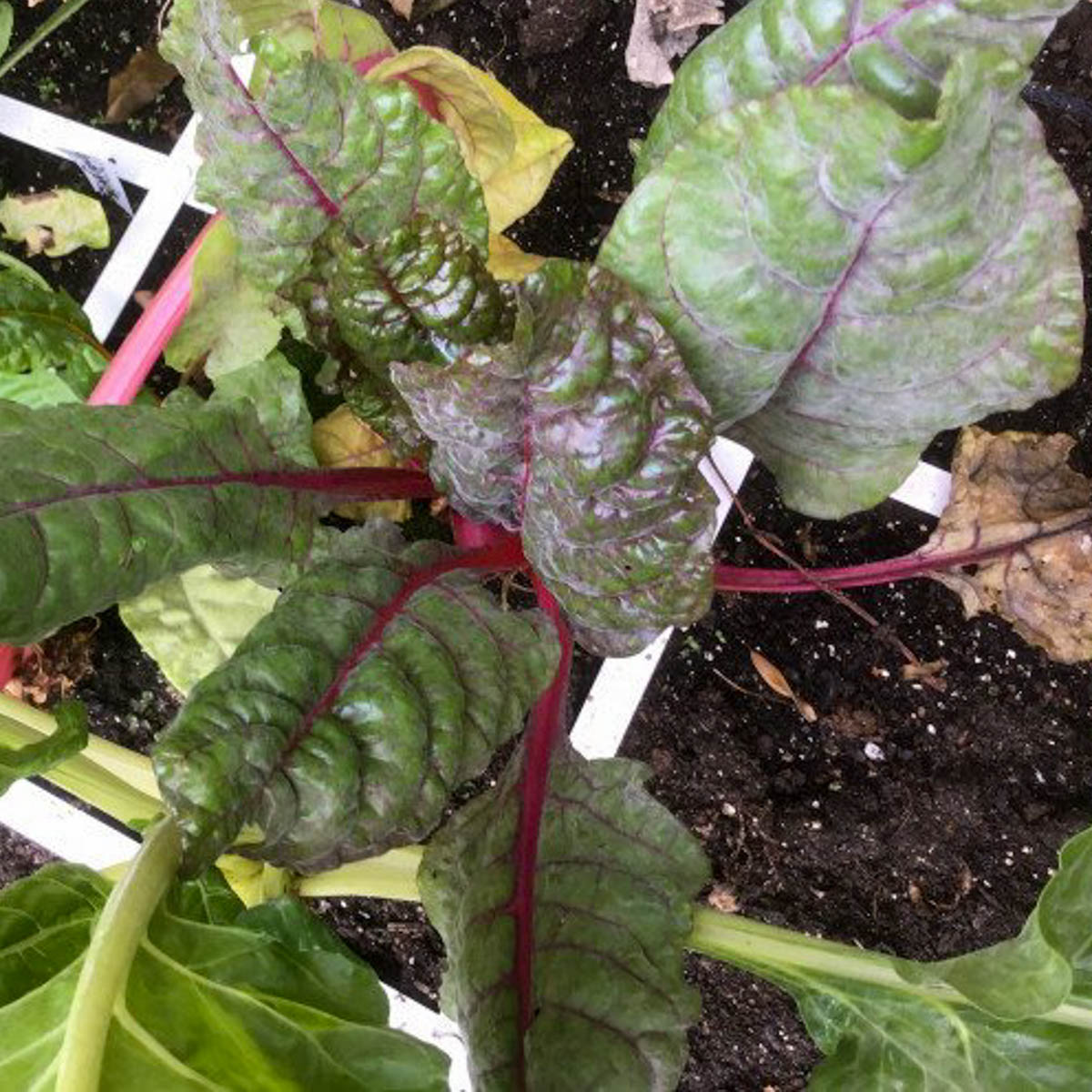
In the vegetable garden, it mainly affects summer vegetables: courgette, cucumber, pumpkin, and sometimes tomatoes. But it can also appear on other vegetables and flowers, such as peas, chard, and marigolds.
A little mildew is no problem: your plants can handle it.
But if mildew covers the whole leaf, the leaf dies. If it spreads across the whole plant, that is a problem.
In the vegetable garden, it mainly affects summer vegetables: courgette, cucumber, pumpkin, and sometimes tomatoes. But it can also appear on other vegetables and flowers, such as peas, chard, and marigolds.
How do you recognise mildew?
The first signs of powdery mildew usually appear during warm, dry weather.
You can recognise it by the white patches. If you look closely, you will see a sticky, flour-like substance on the top of leaves and stems.
After a while, the white patches darken and the leaves start to curl.
You can recognise it by the white patches. If you look closely, you will see a sticky, flour-like substance on the top of leaves and stems.
After a while, the white patches darken and the leaves start to curl.
Powdery mildew vs. downy mildew
There's a similar plant disease called downy mildew. It looks a lot like powdery mildew.
But there are a few differences: downy mildew creates a fungal fluff on the underside of the leaves. The tops of the leaves become covered with yellow spots that can turn brown.
But there are a few differences: downy mildew creates a fungal fluff on the underside of the leaves. The tops of the leaves become covered with yellow spots that can turn brown.
Which vegetables are most affected?
So, like I mentioned, mostly the big summer vegetables.
But it also can be found on peas, chard, marigolds and some herbs.
But it also can be found on peas, chard, marigolds and some herbs.
When does it occur?
Mildew mainly appears in dry, warm weather.
But with courgettes and cucumbers, it is also normal to see mildew near the end of summer, when the weather becomes wet and cold.
Summer plants do not cope well with unsummery weather: they become weaker and more vulnerable to mildew.
But with courgettes and cucumbers, it is also normal to see mildew near the end of summer, when the weather becomes wet and cold.
Summer plants do not cope well with unsummery weather: they become weaker and more vulnerable to mildew.
Can you prevent mildew?
You can take a few preventive steps to limit mildew:
- Put your plants in the right place, where they get enough sunlight.
- Give them enough plant food. When planting summer vegetables, add extra MM plant food, then repeat every 5 weeks.
- Water enough during dry weather, so your plants do not droop and become weak.
- Do not plant too close together. Follow our planting rules and cut away leaves that get in the way.
- Use varieties that are less sensitive to mildew where possible.
What do you do if you have mildew?
Again: a little mildew is not bad, but you do want to stop it from getting worse. As soon as you notice the first signs, take action:
- Cut off badly affected leaves.
- Spray the rest of the plant with a mixture of 40% milk and 60% water. Do this on a sunny day.
The combination of proteins in the milk and sunlight is lethal to the fungus. Skimmed milk or whole milk both work.
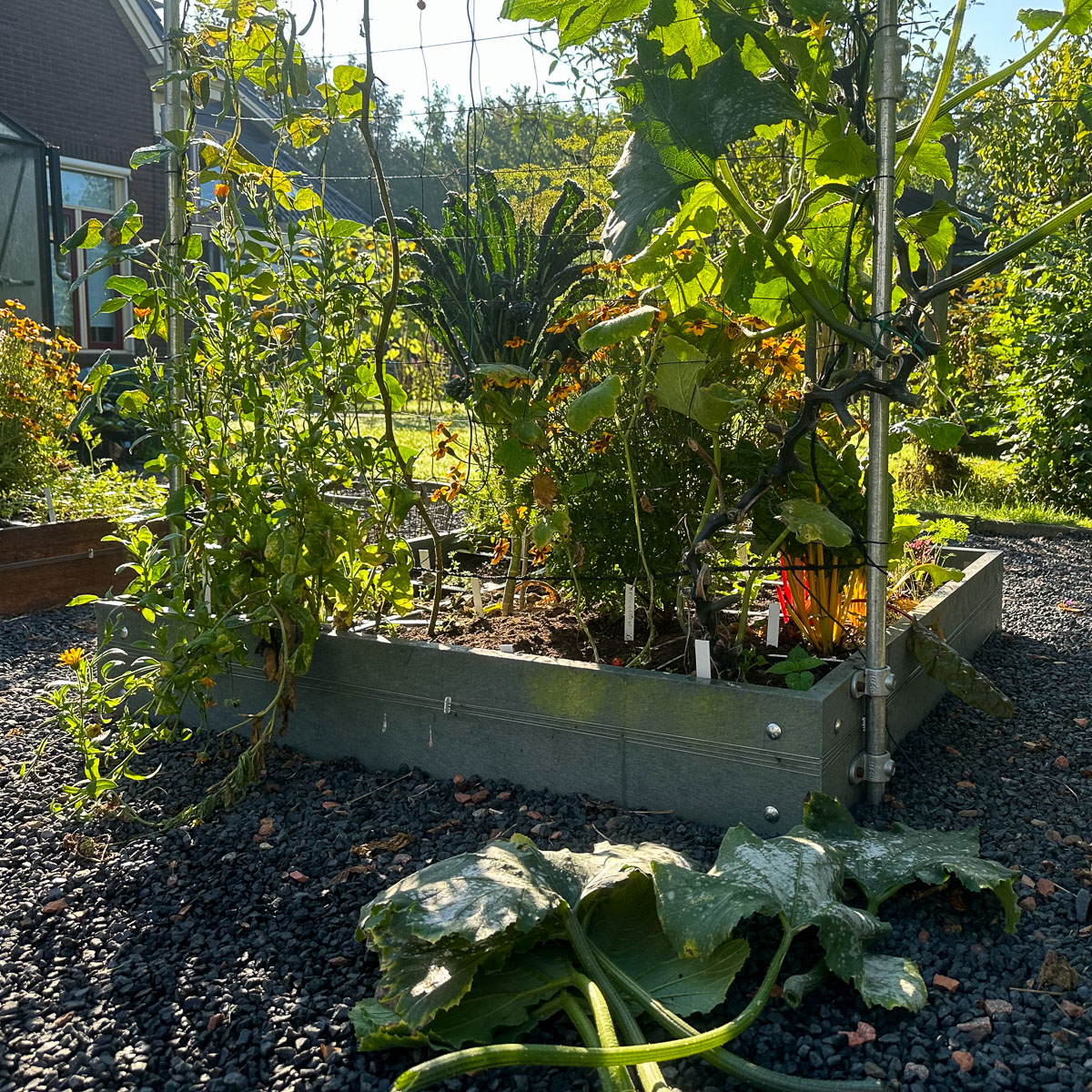
Usually, these two steps are enough to stop the whole plant from becoming covered in mildew. But sometimes there is no stopping it, especially in autumn.
In that case, prune away as many affected parts as possible, especially the leaves, and remove them from your garden boxes.
In that case, prune away as many affected parts as possible, especially the leaves, and remove them from your garden boxes.
Good luck!