
Harvesting your own seeds
You can easily harvest seeds from your own plants and sow them in your vegetable garden next year. This page is all about how.
Personally, I don't do it very often because I have more than enough. Makes sense since I sell them 😉
But sometimes it's so easy, even I can't resist:
Personally, I don't do it very often because I have more than enough. Makes sense since I sell them 😉
But sometimes it's so easy, even I can't resist:
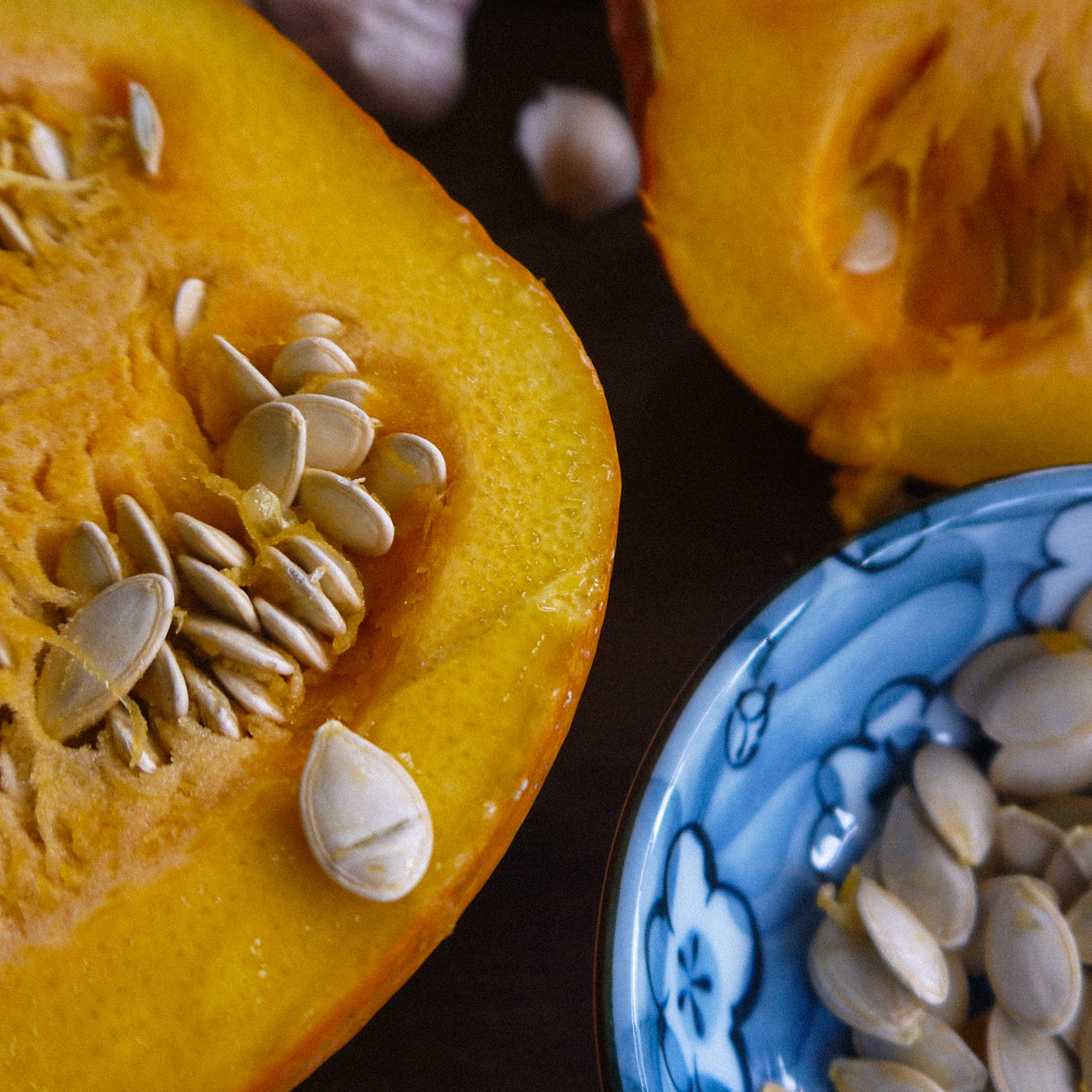
Collect seeds for yourself, for someone else, or for the winter birds.
Before you start, you need to know what's possible. Not all your plants have harvestable seeds.
Before you start, you need to know what's possible. Not all your plants have harvestable seeds.
F1 hybrids
Seeds from specially bred vegetable varieties are called hybrids. Growers breed them to produce better-looking fruits or make plants more resistant to certain diseases, for example.
If a seed packet says F1, the seeds are hybrids.
Our current Black Forest F1 climbing courgette is a good example. It has been bred to grow a longer stem, so you can tie it to a trellis.
If a seed packet says F1, the seeds are hybrids.
Our current Black Forest F1 climbing courgette is a good example. It has been bred to grow a longer stem, so you can tie it to a trellis.
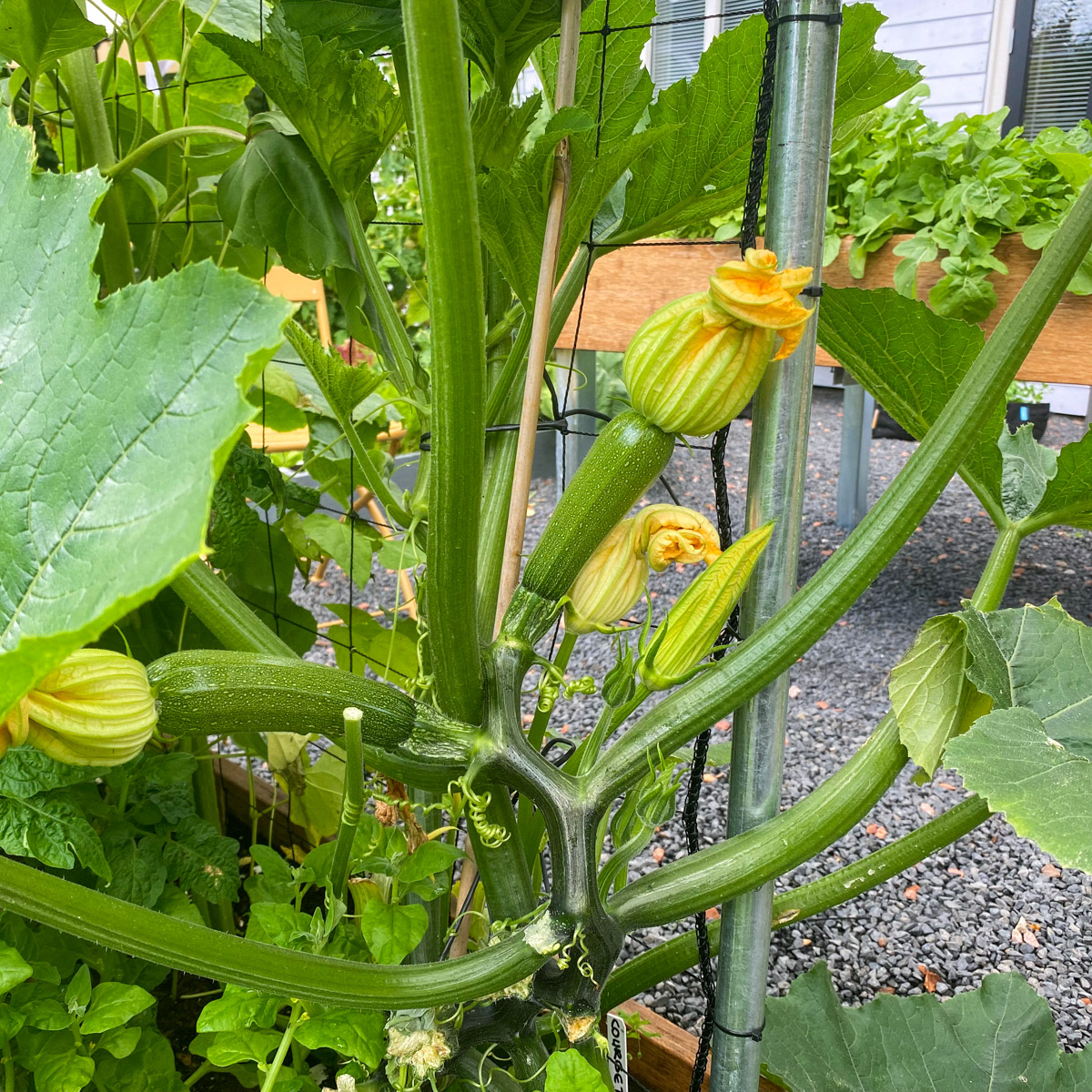
If you save its seeds, the resulting plants may look completely different or grow just like ordinary courgettes.
You could save seeds from our previous climbing courgette, Long Green Trailing. It belongs to the next group:
You could save seeds from our previous climbing courgette, Long Green Trailing. It belongs to the next group:
Heirloom seeds
You can save seeds from vegetables grown from heirloom varieties. These are long-established varieties that come true from seed: sow their seeds and you get the same kind of plant.
Dino kale is one example, as is the New Zealand spinach in our seed bundle.
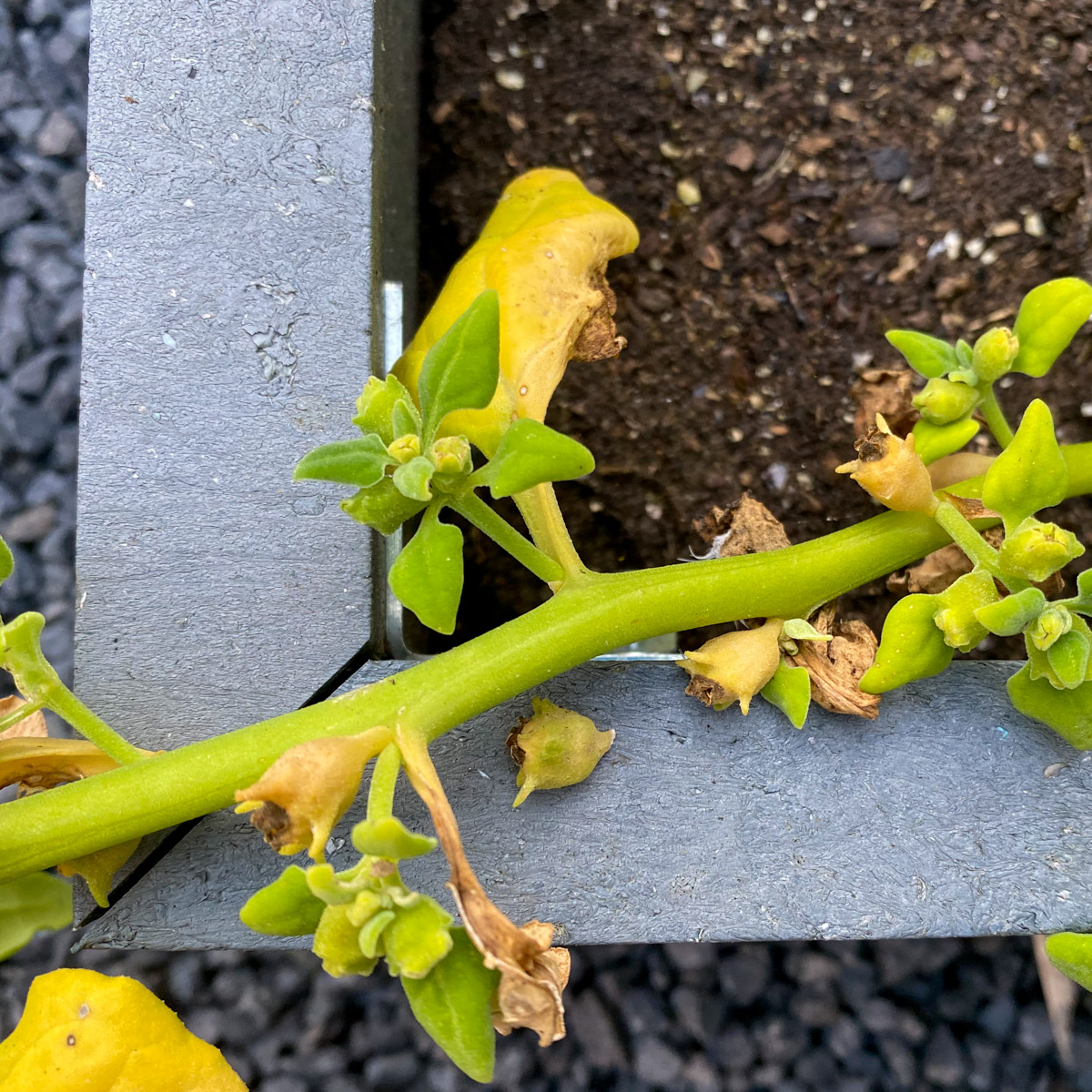
The flowers, and later the seeds, of New Zealand spinach grow along the stem. In autumn, you can easily pick them off:
Dino kale is one example, as is the New Zealand spinach in our seed bundle.
The flowers, and later the seeds, of New Zealand spinach grow along the stem. In autumn, you can easily pick them off:
Where are the seeds?
Seeds are always found where the flower used to be. So, if you want to harvest seeds from a plant, it needs to have gone to flower first.
With many herbs and flowers, it's easy to locate the seeds.
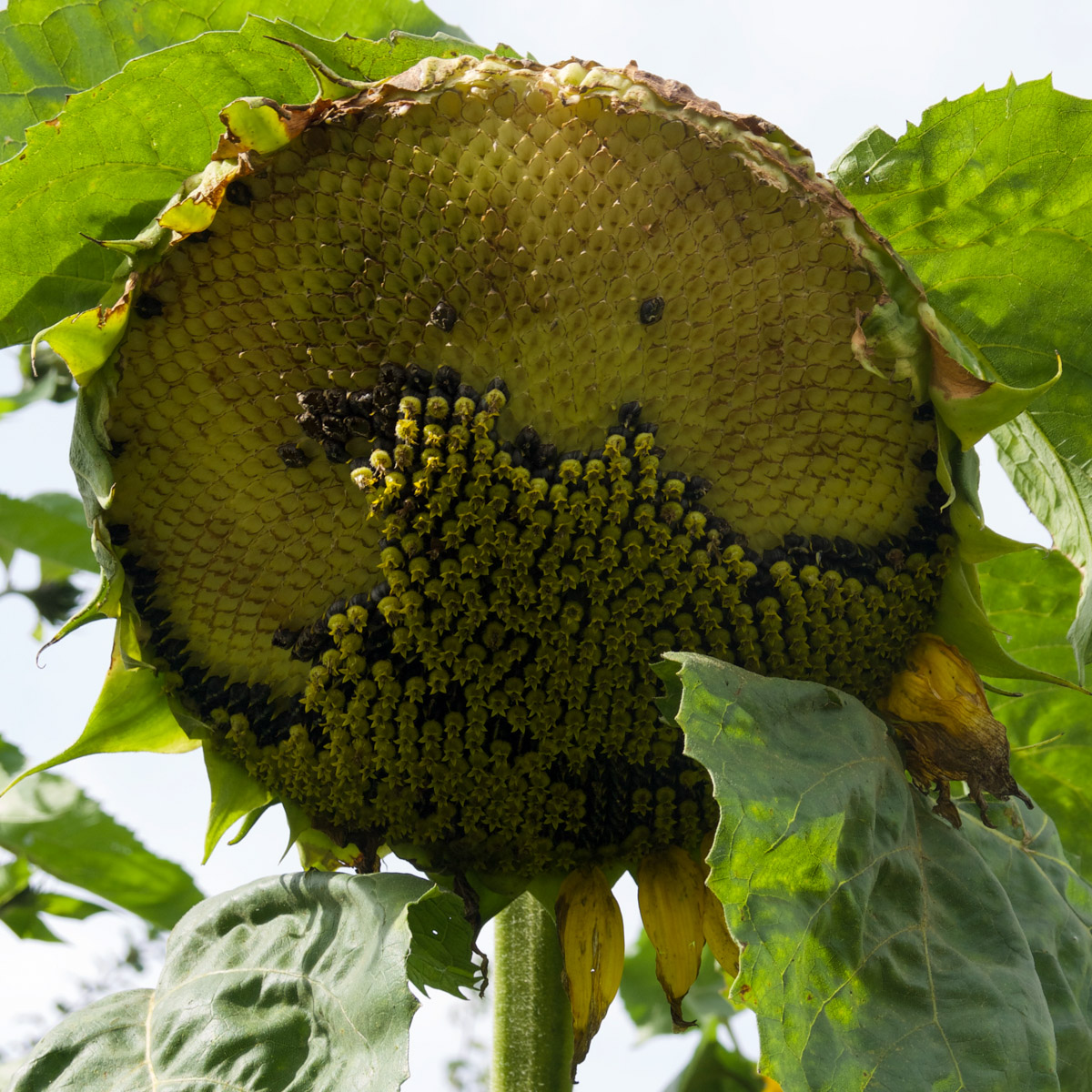
Birds already got to this sunflower and ate some of its seeds:
With many herbs and flowers, it's easy to locate the seeds.
Birds already got to this sunflower and ate some of its seeds:
Some flowers turn their seed pods into real works of art.
Just look at love-in-a-mist:
Just look at love-in-a-mist:
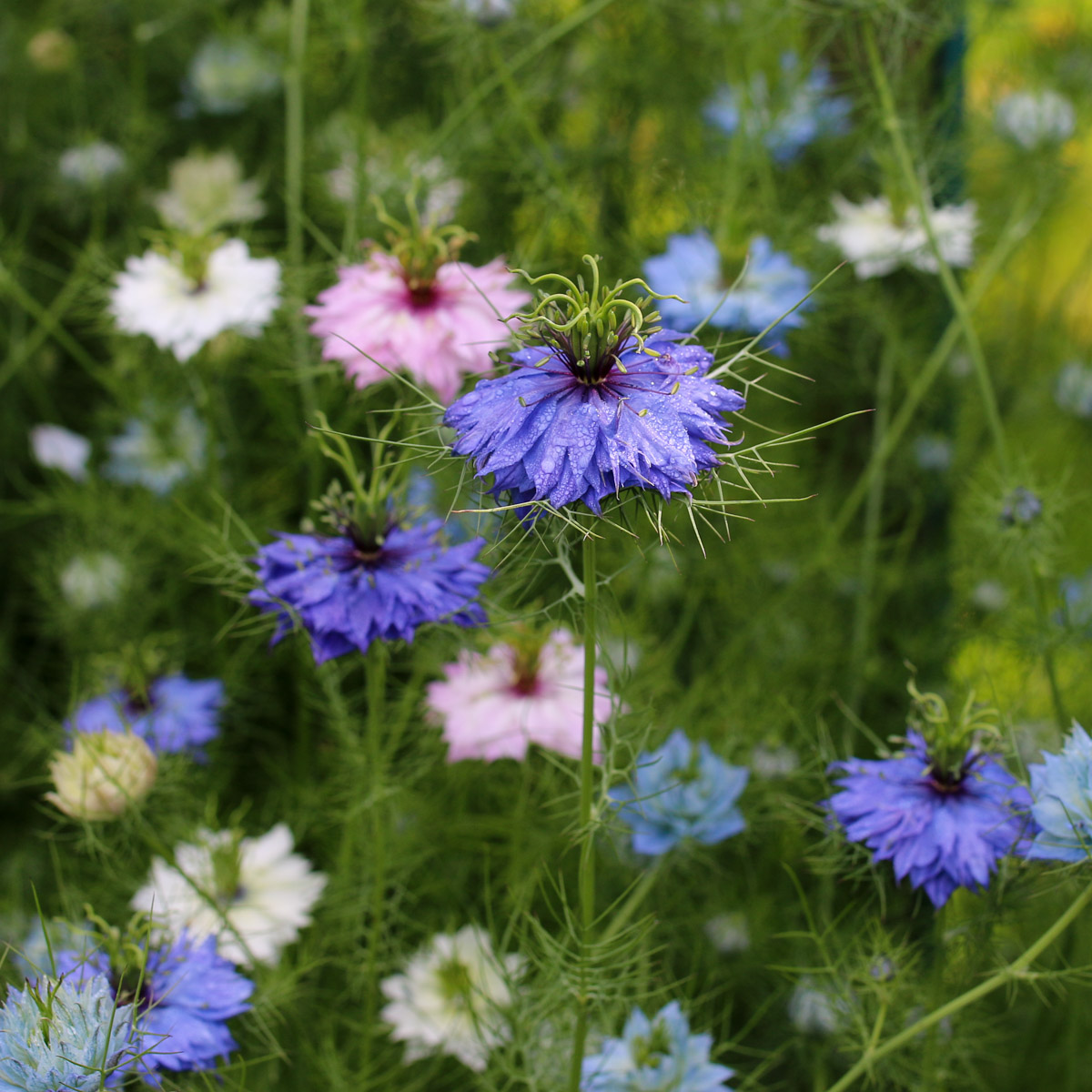
The flowers are beautiful, bees love them, and the seed pods are gorgeous too.
They look like little pepper pots:
They look like little pepper pots:
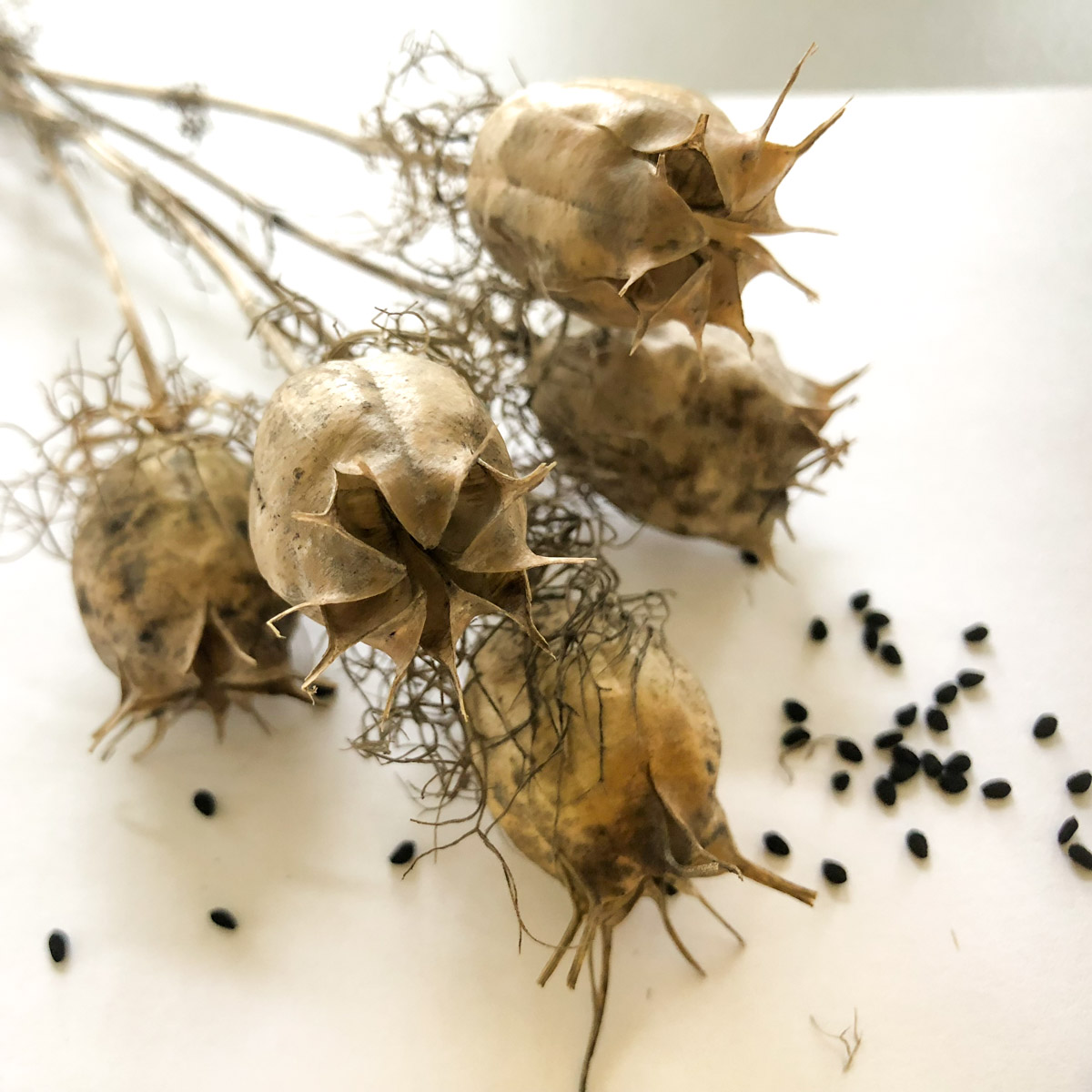
Plus, you can eat the flowers and seeds, too. They taste a little nutty.
Marigolds like these have single flowers that are easy to collect seeds from. Plus, bees and bumblebees love them:
Marigolds like these have single flowers that are easy to collect seeds from. Plus, bees and bumblebees love them:
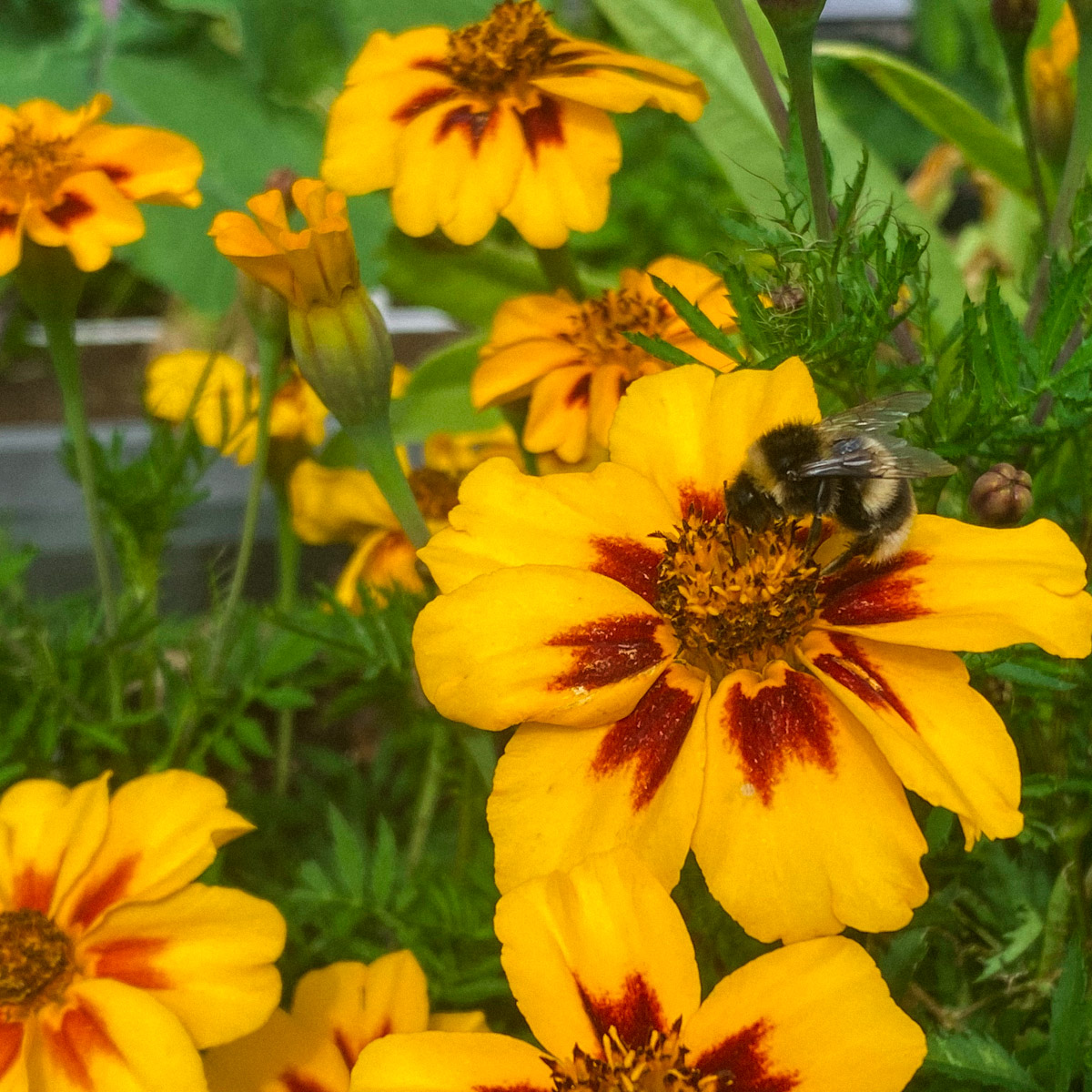
I'm not a big fan of these marigolds: the smell gets to me.
But the scent is a good thing for the vegetable garden. It's a natural pest repellent and they generate a substance in the soil that root-eating nematodes hate. Pretty handy.
To harvest the seeds, pick a dried-out flower and break it open. This is what you'll see:
But the scent is a good thing for the vegetable garden. It's a natural pest repellent and they generate a substance in the soil that root-eating nematodes hate. Pretty handy.
To harvest the seeds, pick a dried-out flower and break it open. This is what you'll see:
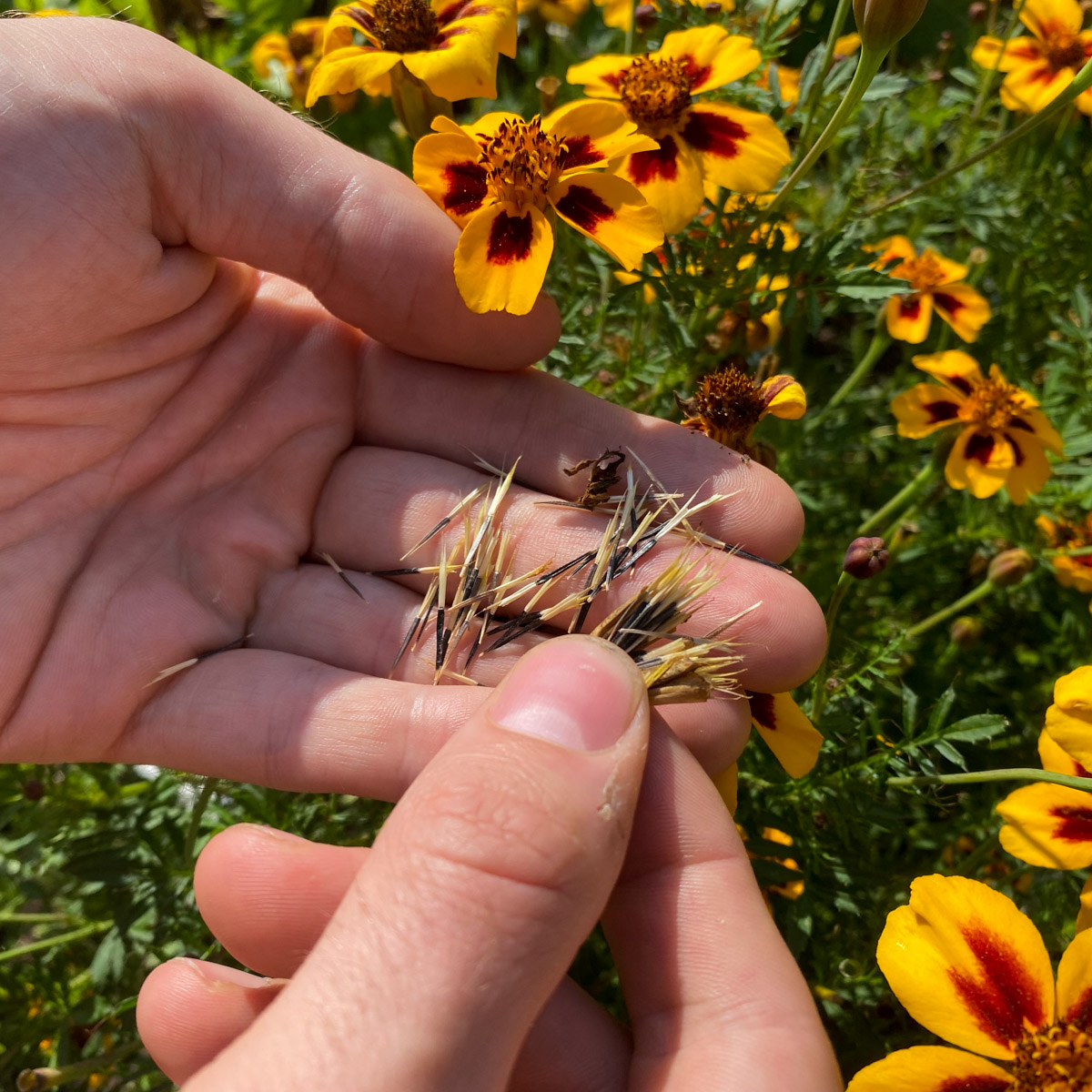
Enough for a whole field, if you want 😉
With liquorice mint, you can simply shake the seeds out of the dried flowers:
With liquorice mint, you can simply shake the seeds out of the dried flowers:
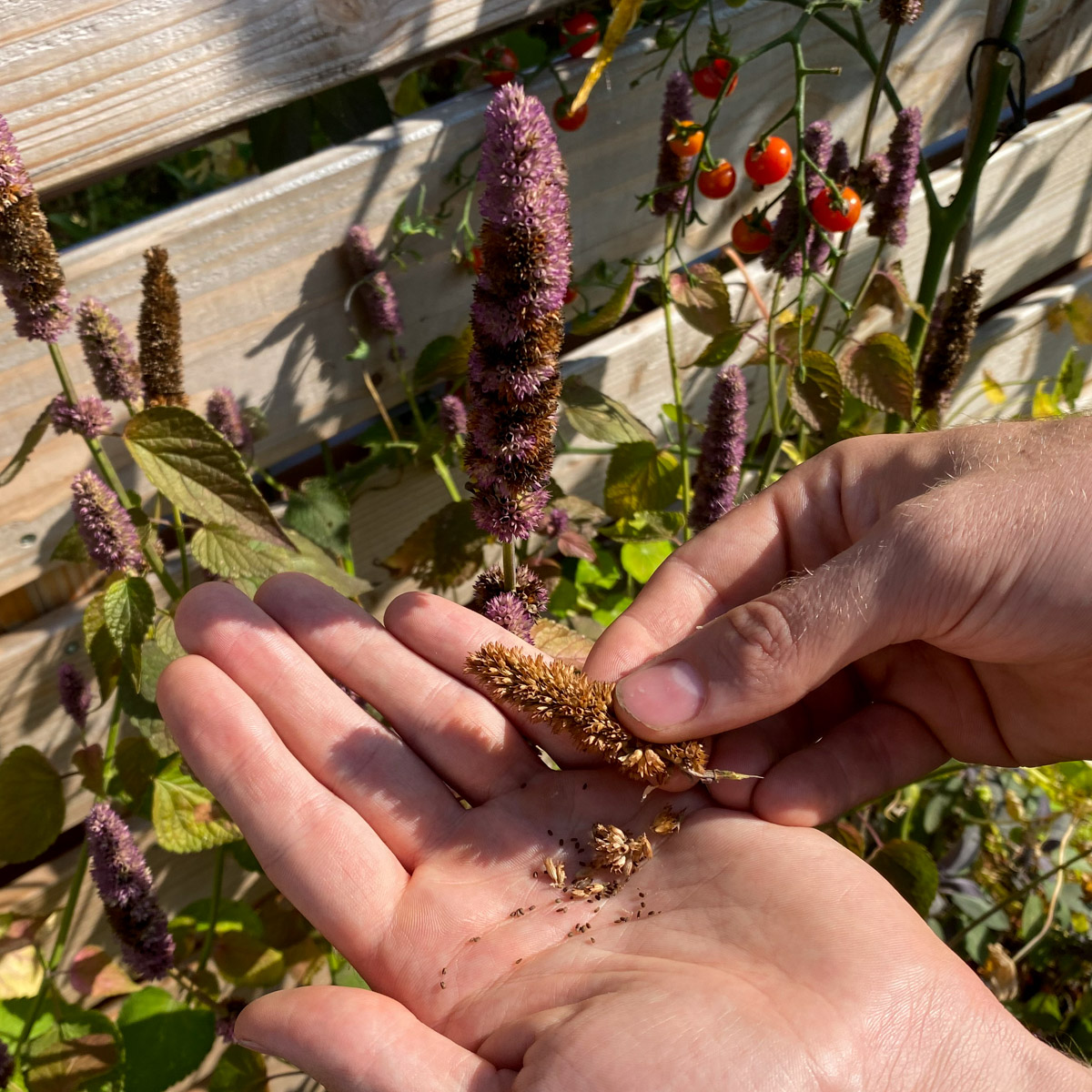
Nasturtiums are even easier. In autumn, simply pick up the ripe seeds from around the plant:
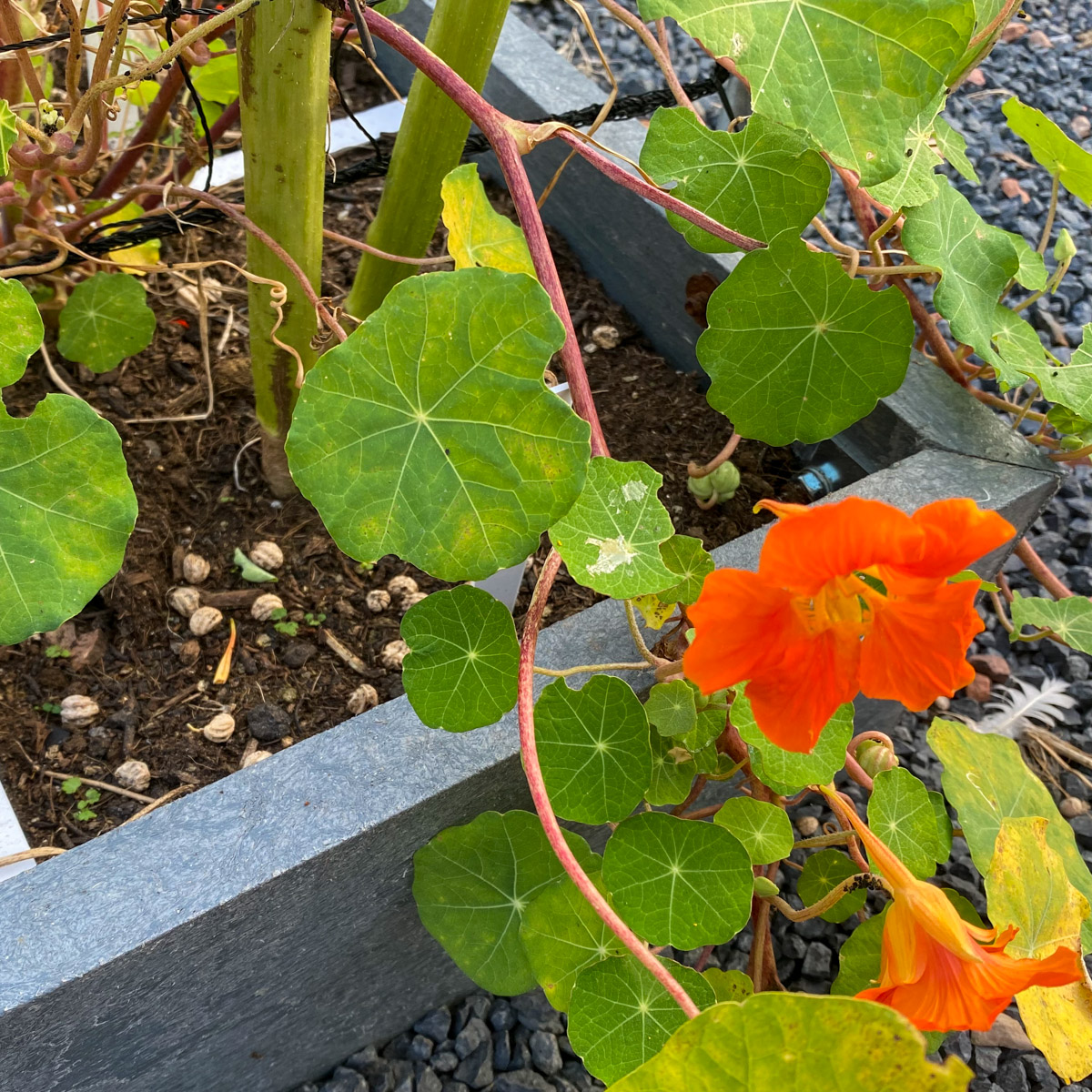
You can save seeds from many vegetables too, although sometimes other traits reappear. Red lettuce may turn green again, for example.
Harvest before or after flowering?
We harvest some vegetables after flowering, such as snow peas, beans and courgettes.
But we normally harvest many others before they flower, including leafy vegetables, root vegetables and brassicas.
To save seeds from this second group, you first have to let the plants flower.
But we normally harvest many others before they flower, including leafy vegetables, root vegetables and brassicas.
To save seeds from this second group, you first have to let the plants flower.
How do you harvest the seeds?
Pumpkin
Pumpkin seeds are the easiest. That's because you don't harvest a pumpkin until it's fully ripe and the pumpkin stalk looks like a cork: hard and dried out.
Pumpkin seeds are the easiest. That's because you don't harvest a pumpkin until it's fully ripe and the pumpkin stalk looks like a cork: hard and dried out.
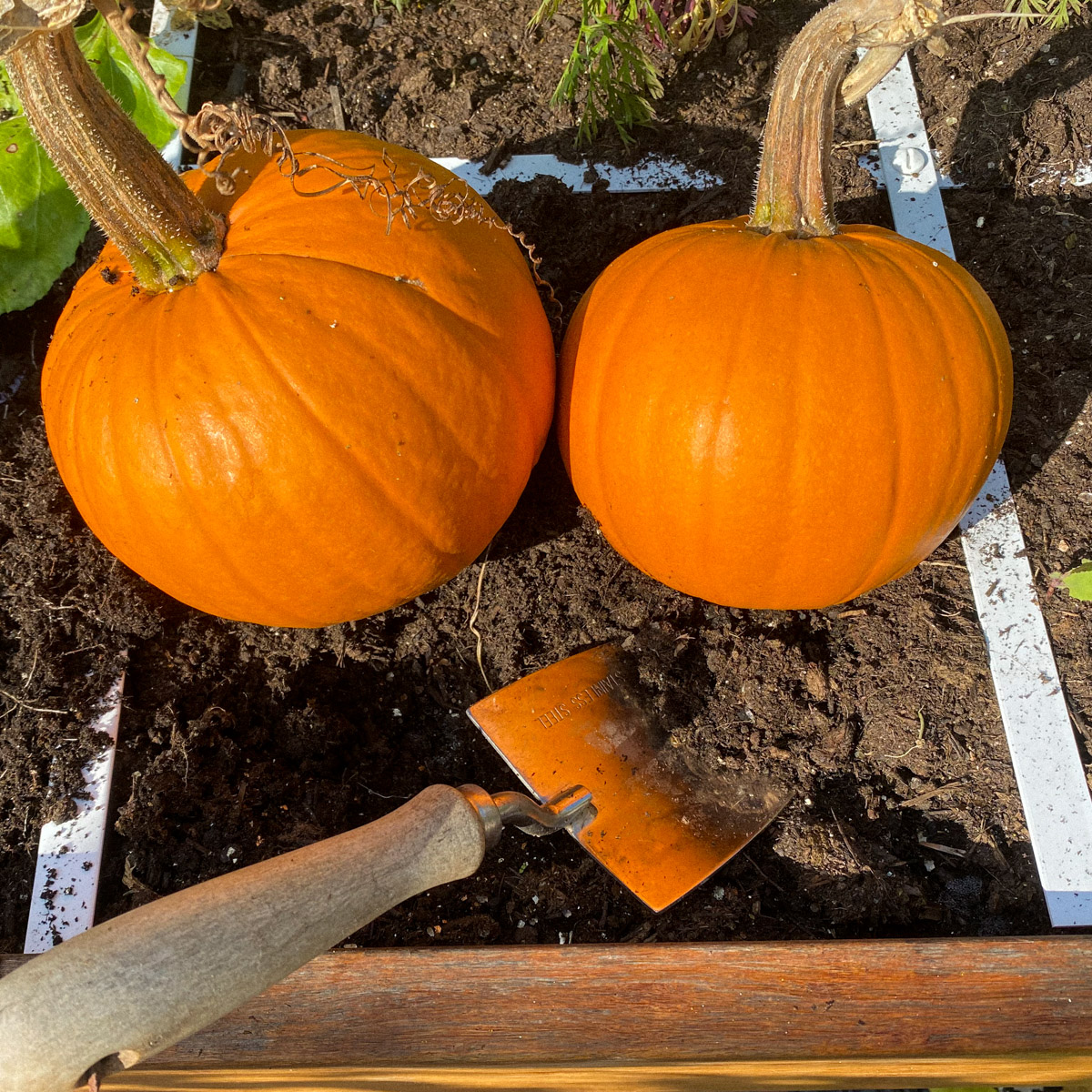
The seeds inside a ripe pumpkin are ready for next year. Scoop them out and rinse them until they no longer feel sticky.
Let them dry thoroughly on a tea towel or piece of kitchen paper, rub off the membranes and you are done.
But take care: if courgettes are growing in your garden too, I would not use the pumpkin seeds. The pumpkin flowers may have been pollinated by a courgette, and the seeds could grow into something rather strange 😉
Courgettes and cucumbers (heirloom varieties only)
Courgettes and cucumbers are usually harvested before they are fully ripe, when they taste best.
To save seeds, leave a few fruits on the plant and let them grow enormous.
Here are the seeds inside a cucumber:
Let them dry thoroughly on a tea towel or piece of kitchen paper, rub off the membranes and you are done.
But take care: if courgettes are growing in your garden too, I would not use the pumpkin seeds. The pumpkin flowers may have been pollinated by a courgette, and the seeds could grow into something rather strange 😉
Courgettes and cucumbers (heirloom varieties only)
Courgettes and cucumbers are usually harvested before they are fully ripe, when they taste best.
To save seeds, leave a few fruits on the plant and let them grow enormous.
Here are the seeds inside a cucumber:
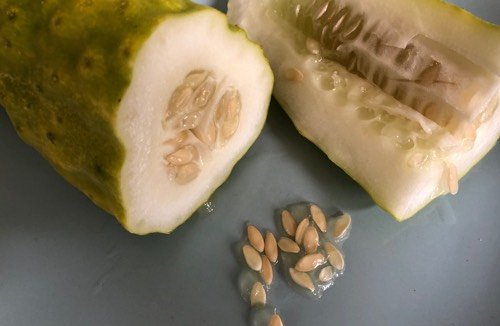
The cucumber itself is no longer edible. The plant also stops producing new fruit while those large cucumbers remain, so only grow fruit for seed saving at the end of the season.
You sometimes hear that you should not save courgette seeds because the resulting fruit can become poisonous. That is usually not true. Read exactly how it works here.
Our snack cucumber and climbing courgette are F1 varieties, so they are not suitable for seed saving.
Beans and snow peas
Beans and snow peas are easy. Leave the pods on the plants until the seeds are large. Once the pods have dried completely, you can pick them.
You sometimes hear that you should not save courgette seeds because the resulting fruit can become poisonous. That is usually not true. Read exactly how it works here.
Our snack cucumber and climbing courgette are F1 varieties, so they are not suitable for seed saving.
Beans and snow peas
Beans and snow peas are easy. Leave the pods on the plants until the seeds are large. Once the pods have dried completely, you can pick them.
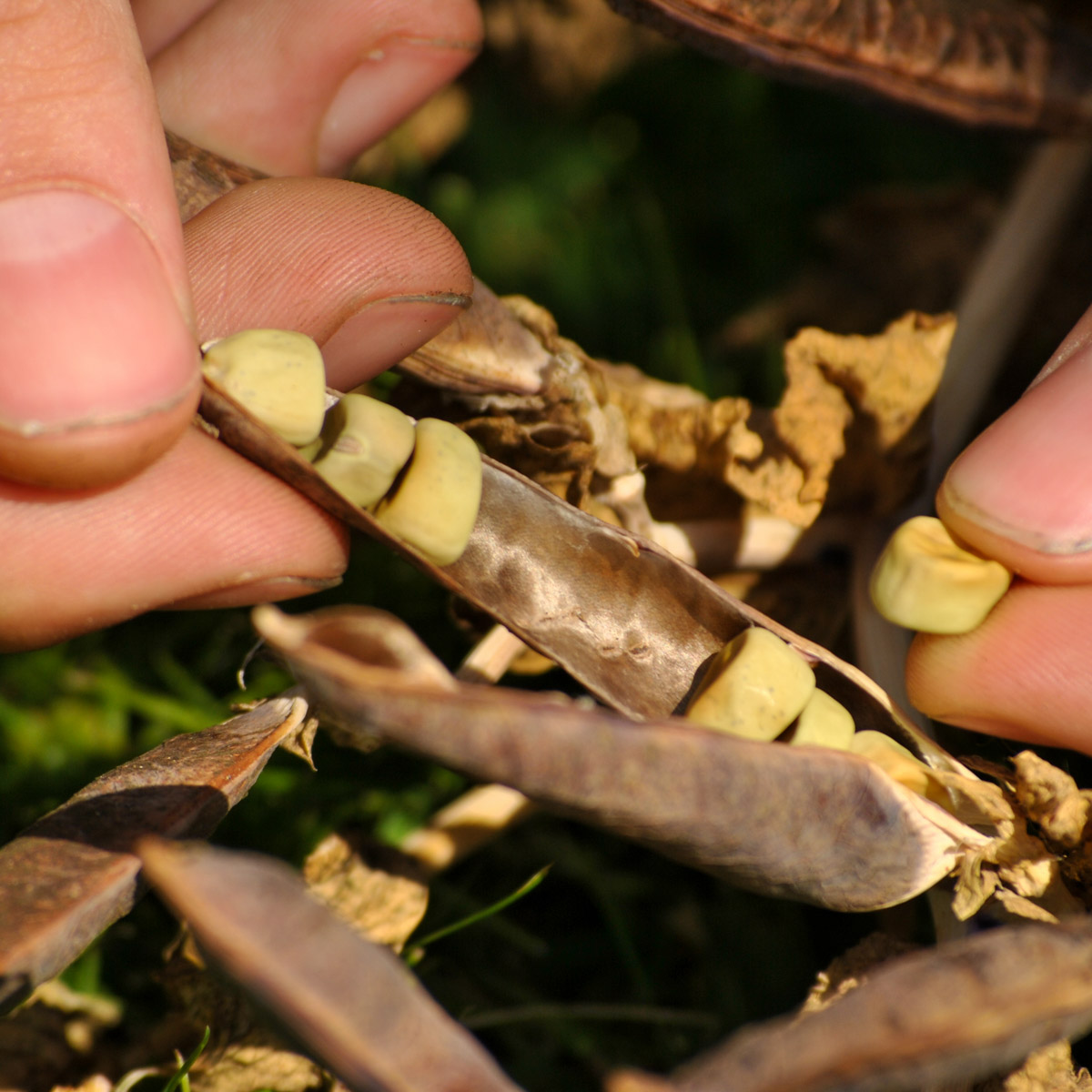
The seeds, the beans or peas themselves, will have hardened and can be stored until next year.
These plants also stop flowering once their seeds are ripe: they have completed their job of producing the next generation.
Lettuce, root vegetables and brassicas
To save seed from leafy vegetables, deliberately let a few plants in your raised beds bolt. In the photo below, flower buds are already appearing on the Bibb lettuce.
These plants also stop flowering once their seeds are ripe: they have completed their job of producing the next generation.
Lettuce, root vegetables and brassicas
To save seed from leafy vegetables, deliberately let a few plants in your raised beds bolt. In the photo below, flower buds are already appearing on the Bibb lettuce.
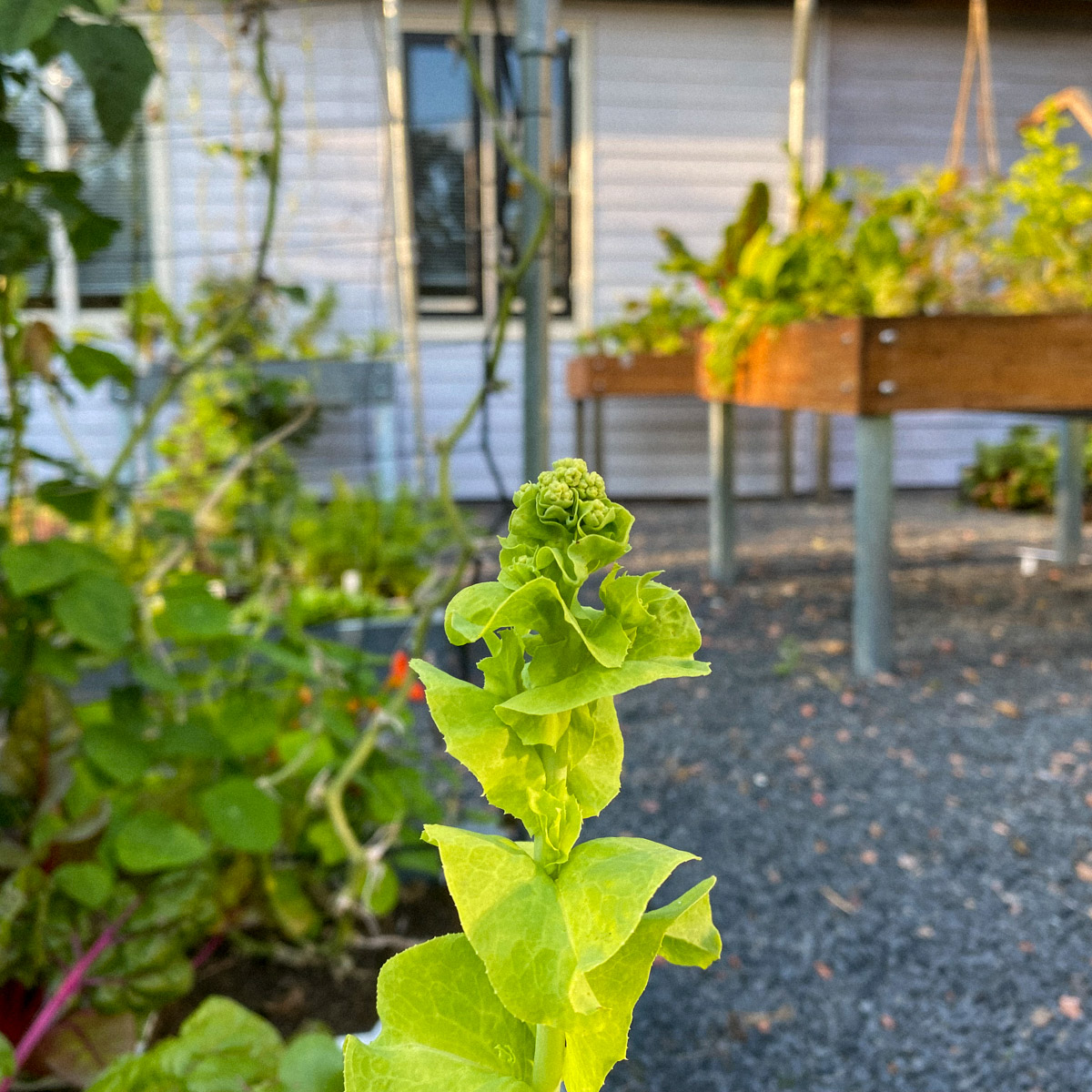
The leaves no longer taste good at this stage, but flowers will appear if you wait long enough. Once the flowers have finished, the seeds develop in the ovary beneath them.
The same applies to dino kale, although you have to wait until the second year. The flowers appear in spring:
The same applies to dino kale, although you have to wait until the second year. The flowers appear in spring:
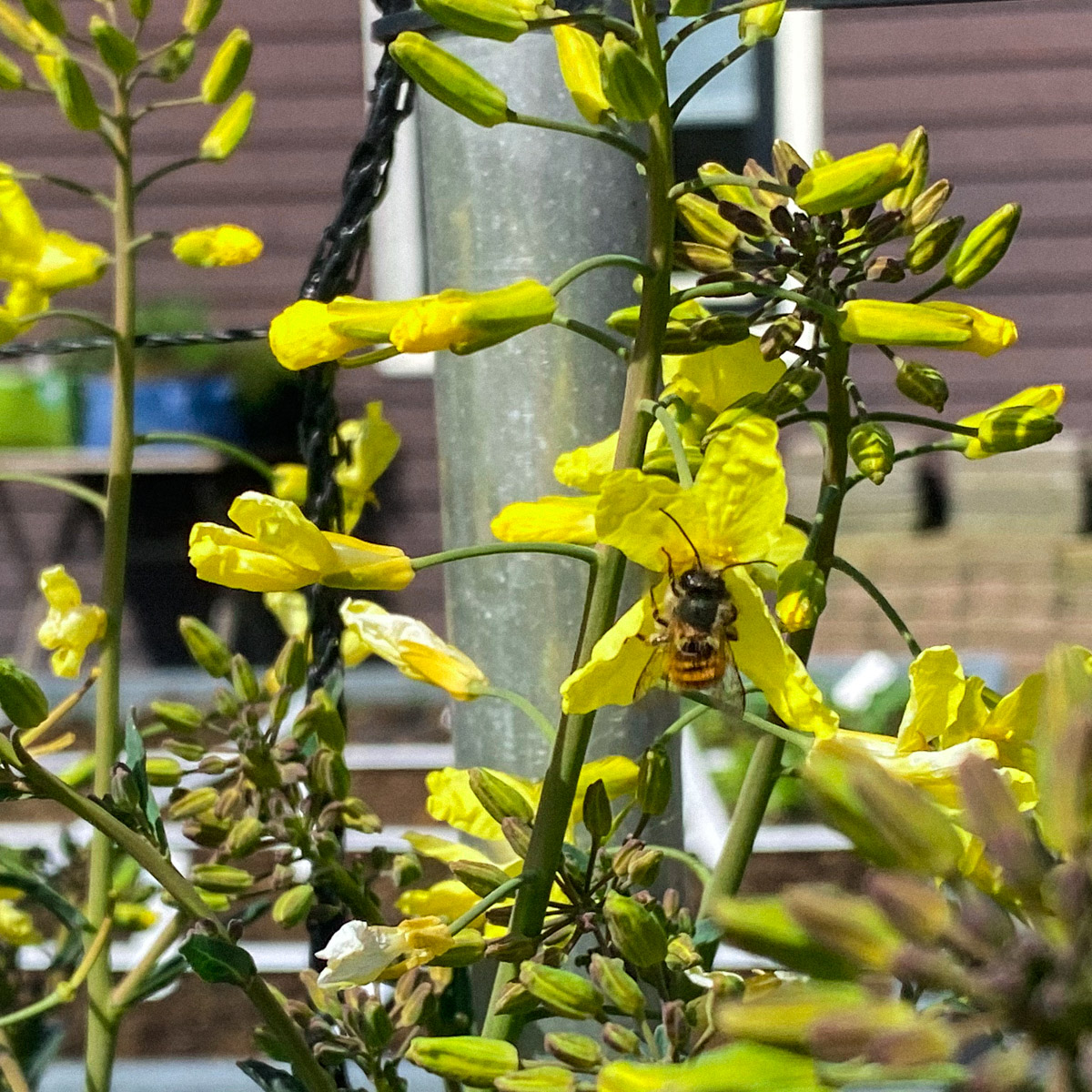
Leave the plants a little longer and seed pods will appear:
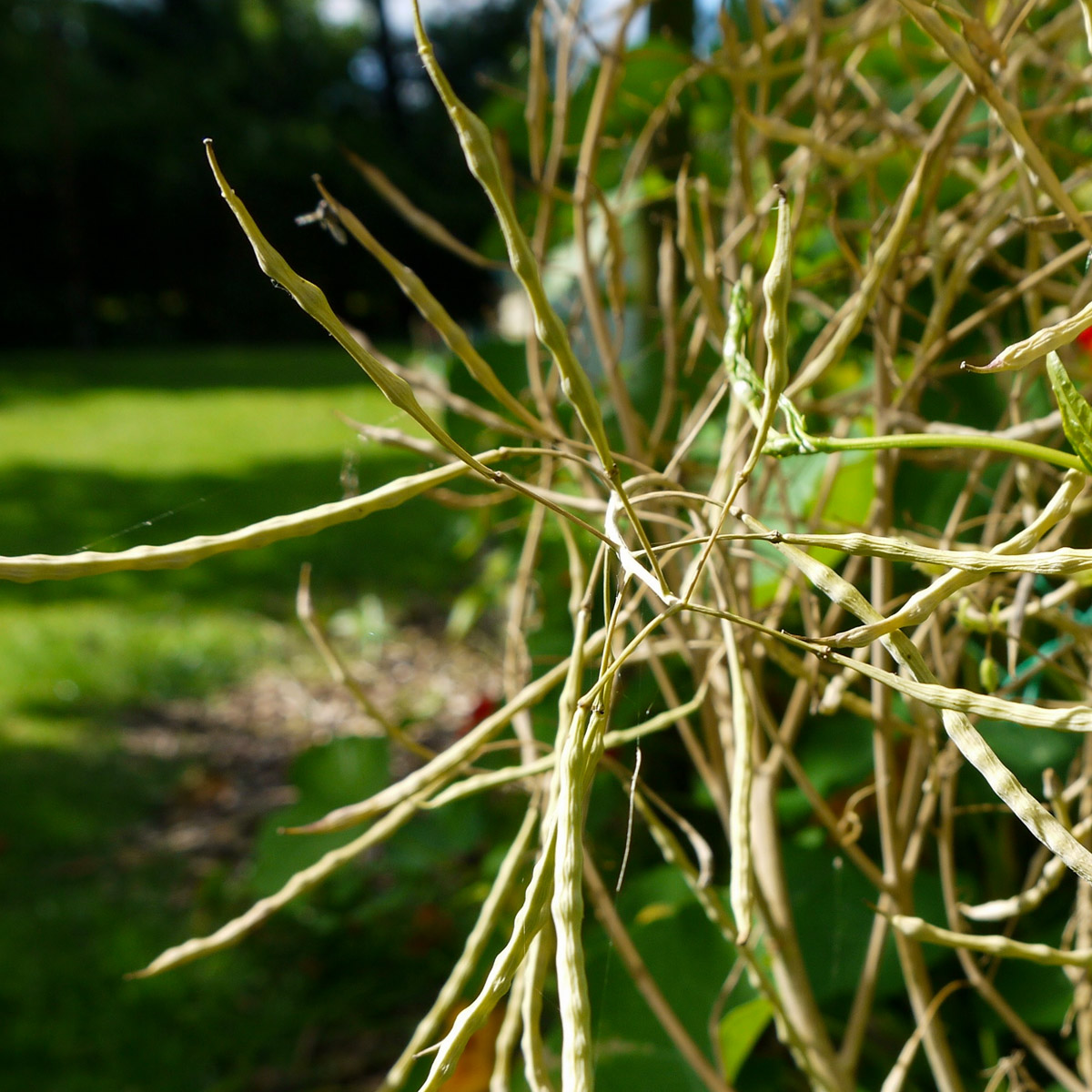
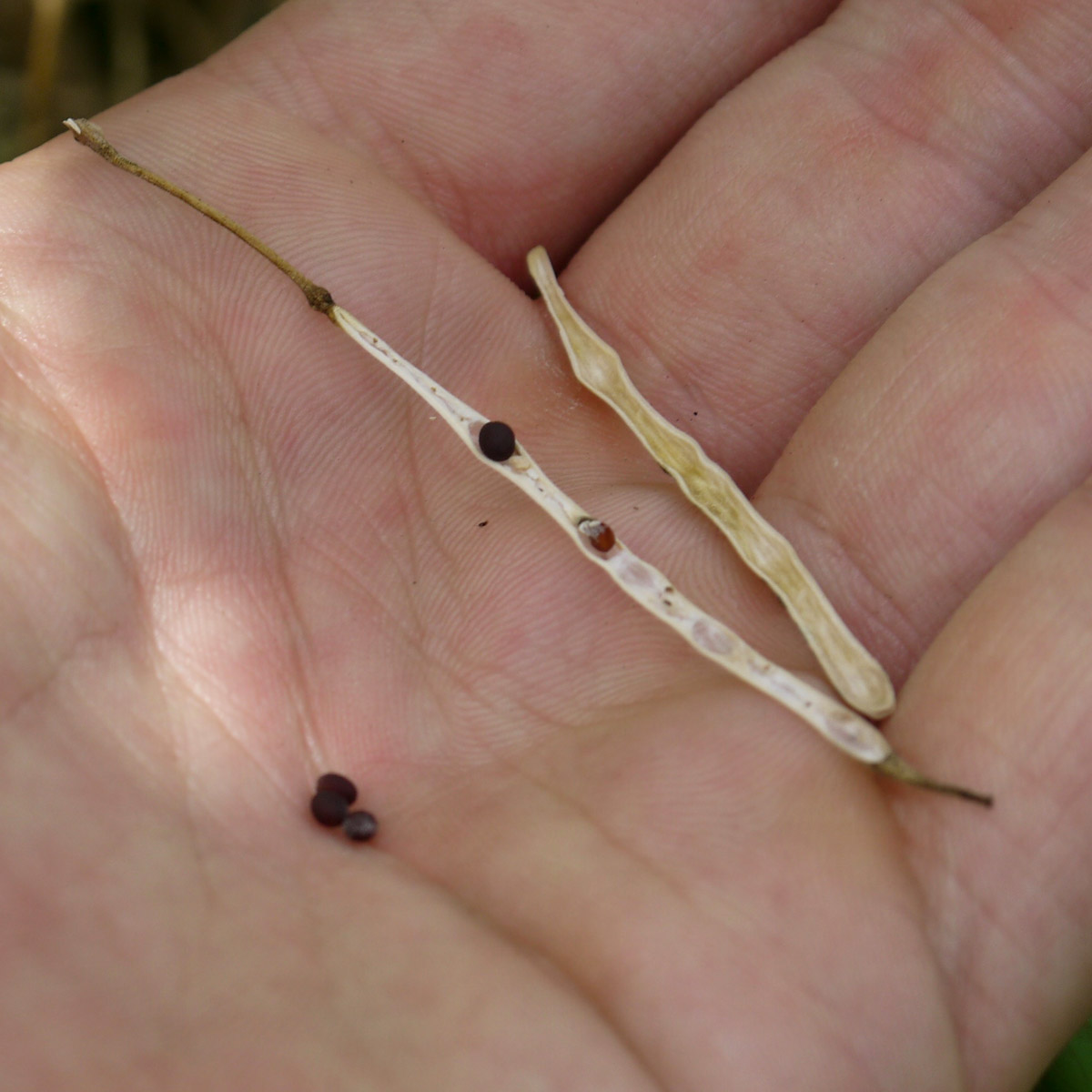
Once the pods have dried completely, open them and you will find the seeds inside:
Harvesting and storing
Dry the collected seeds thoroughly in a cool, dry place out of the sun.
Once they are completely dry, put them in packets. Write the name on each packet straight away, or you really will not remember what they are later 😉
Store the packets somewhere dry, cool and dark. A tightly sealed glass jar in the fridge is perfect.
Once they are completely dry, put them in packets. Write the name on each packet straight away, or you really will not remember what they are later 😉
Store the packets somewhere dry, cool and dark. A tightly sealed glass jar in the fridge is perfect.
Patience
So, harvesting seeds does take some patience.
I sowed the dino kale above in May. It survived the mild winter, started flowering in the spring, and in July the seeds were ready for collecting.
That took more than a year. Maybe you're not sure it's worth the trouble.
But if your plants have started flowering anyway - or if you accidentally left the beans or snow peas hanging too long - it doesn't take much to pick them and put them in a bag, right? Same goes for your flowers.
And just think how fun it will be to sow your own seeds next year.
Have fun seed saving!
I sowed the dino kale above in May. It survived the mild winter, started flowering in the spring, and in July the seeds were ready for collecting.
That took more than a year. Maybe you're not sure it's worth the trouble.
But if your plants have started flowering anyway - or if you accidentally left the beans or snow peas hanging too long - it doesn't take much to pick them and put them in a bag, right? Same goes for your flowers.
And just think how fun it will be to sow your own seeds next year.
Have fun seed saving!