Will you sow unusual and special varieties, or are you aiming for a big harvest? In other words: which vegetables produce a lot, and which produce hardly anything?
A varied harvest
In my Makkelijke Moestuin, I'm 100% focused on the harvest: as much produce as possible from as little space as possible, preferably as quickly and easily as possible.
Variety and flavour are at least as important to me. After all, why put your energy into something boring or something you don't like?
My favourite restaurant
In Pieterburen, not far from where I live, there's an old ship that used to be a restaurant:
The restaurant ship Het Appeltje
It was my favourite restaurant. Not because of the price - it wasn't exactly cheap - but because of the food. There were always just five dishes. Pure, no fuss, locally sourced and incredibly tasty: Groningen at its best 😋
It's the same with a vegetable garden.
You often get more enjoyment from vegetables that our ancestors already grew than from the exclusive varieties sold by specialist seed companies.
But isn't growing unusual vegetables part of the fun?
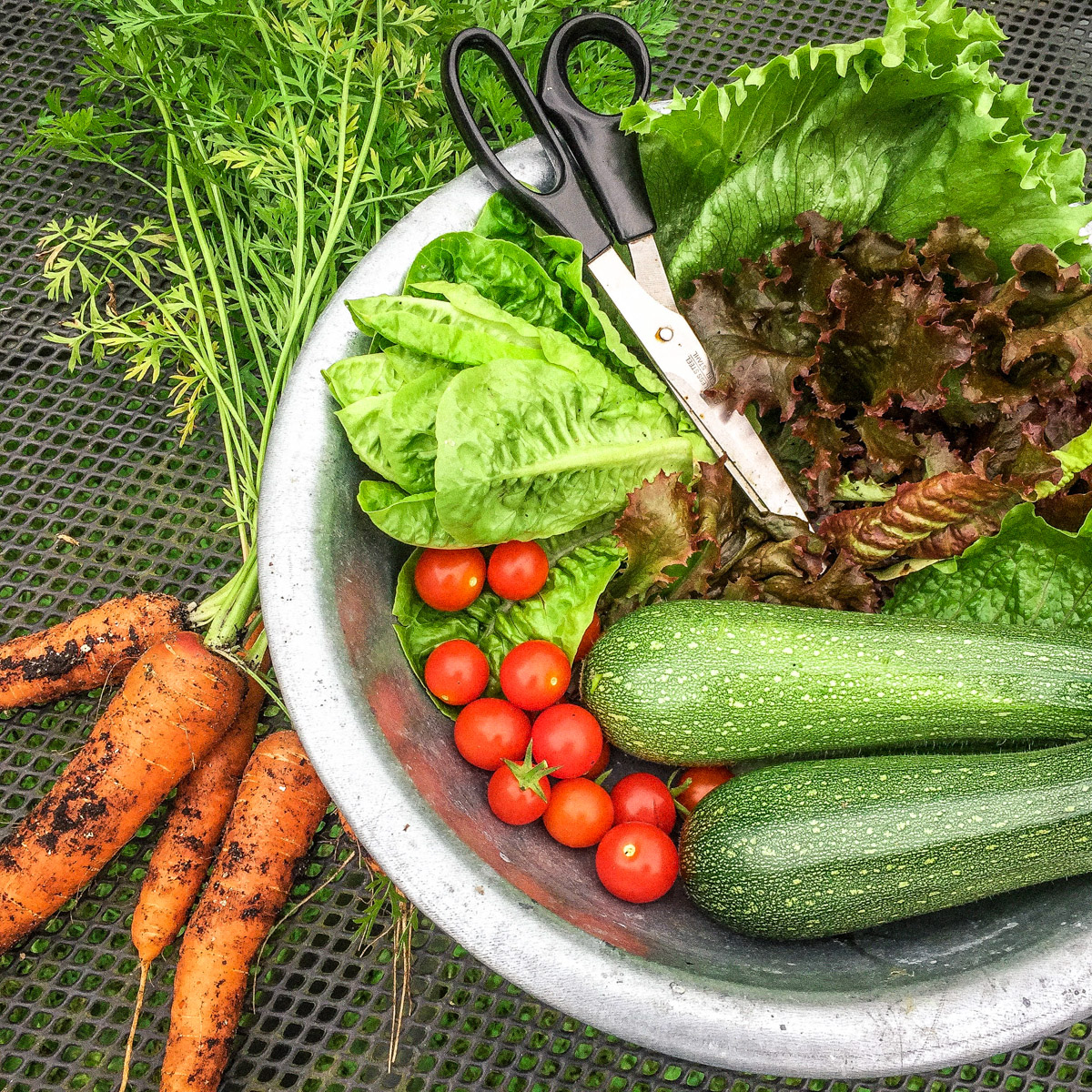
True, but carrots and heads of lettuce from your own garden are already special and can't be compared with what you get from the supermarket. Taste a tomato from your own garden and you'll never want anything else.
Home-grown vegetables ready to eat
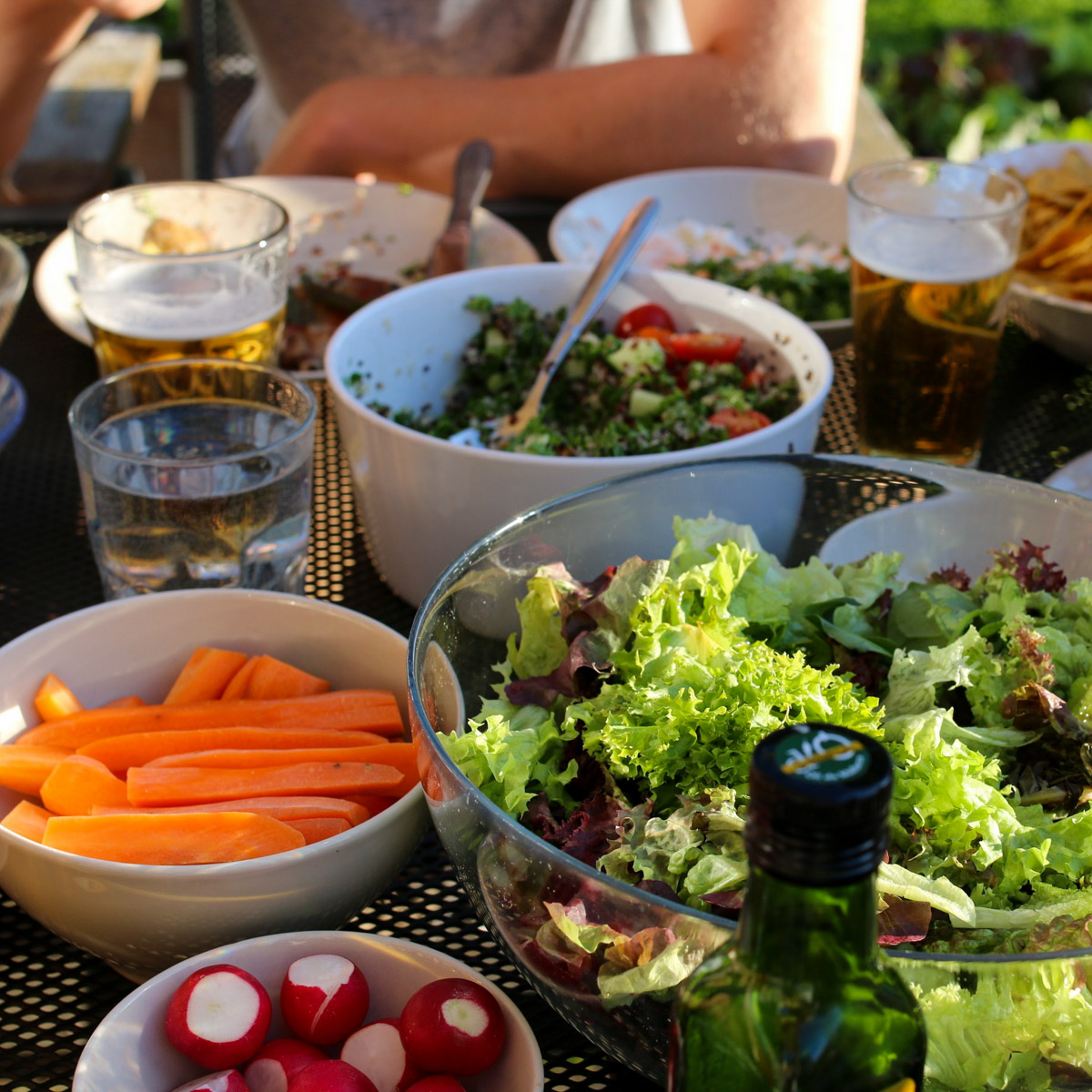
The same goes for all vegetables and herbs: fresh from the garden tastes ten times better than produce from a greenhouse or from far away. No exotic vegetable can compete with that.
Experienced vegetable gardeners know this and grow many of the same things year after year. They do experiment, but only a little.
Beginners tend to do the exact opposite.
Did you get that right from the start?
I did 😊
But my first Makkelijke Moestuin raised bed had barely been set up when my mum started buying unusual seeds. Tubers from the Andes, climbing cucamelons, purple radishes, saucer-shaped courgettes: in no time she had a shoebox full.
"Er, Mum, where are you going to put all that?" "No problem, Jelle: I'll build another raised bed." "Or two. Or three."
Before I knew it, there were five large raised beds and the greenhouse was full of seedlings started indoors. The more unusual, the better, because you couldn't buy them here. She left the lettuce and radishes to me.
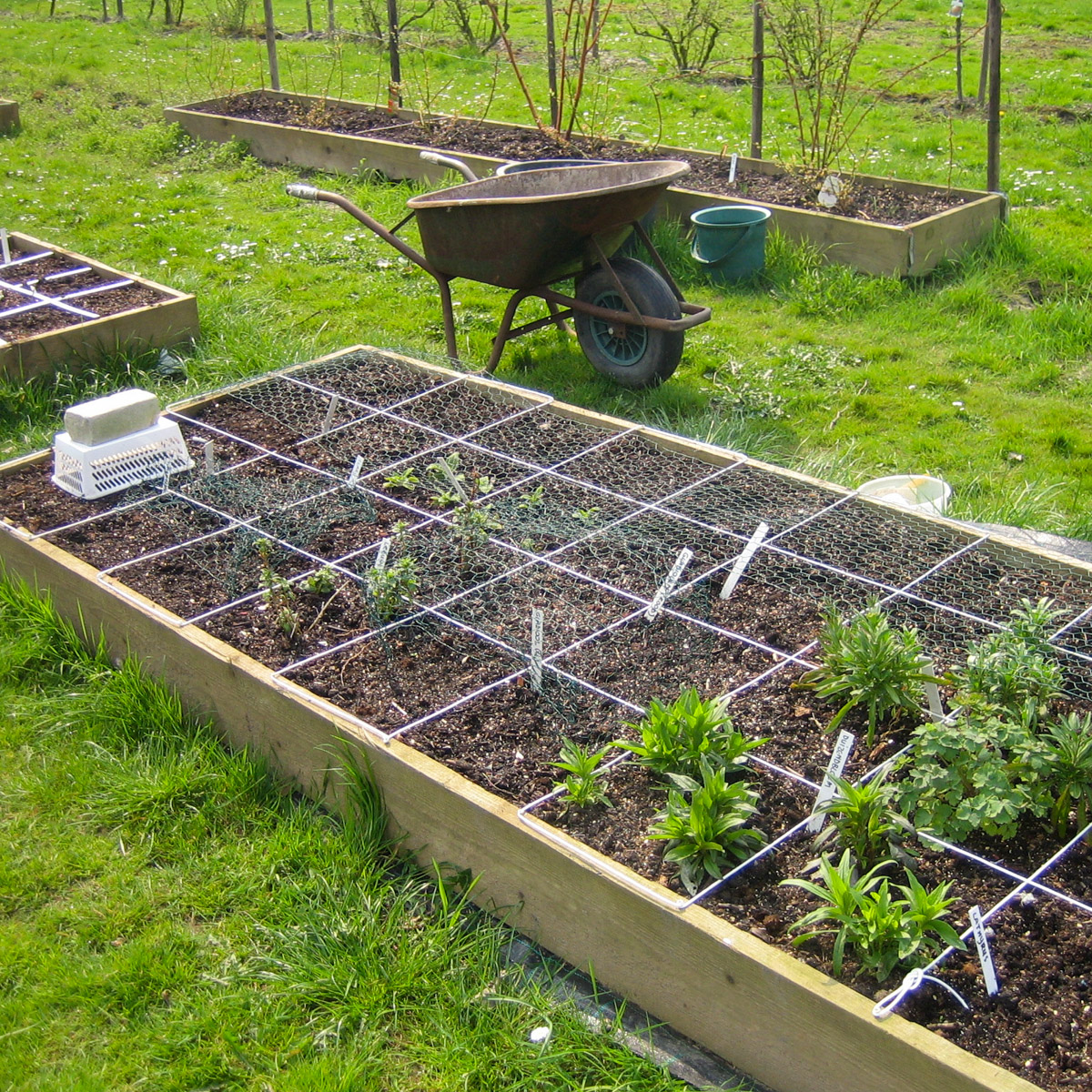
My mum's raised beds
What we learnt that first year
That first year, we ate mountains of lettuce, mangetout, onions and tomatoes from my raised beds. To everyone's surprise, because I was anything but fanatical. The same couldn't be said for my mum: she kept sowing, potting on and transplanting.
The purple beans were beautiful, but turned just as green as mine when cooked. The red kale overshadowed its neighbours, and we saw hardly anything of the Japanese pak choi and sprouting broccoli. Slugs and caterpillars got to them.
But to be fair, there were some real gems among them. We still sow those today.
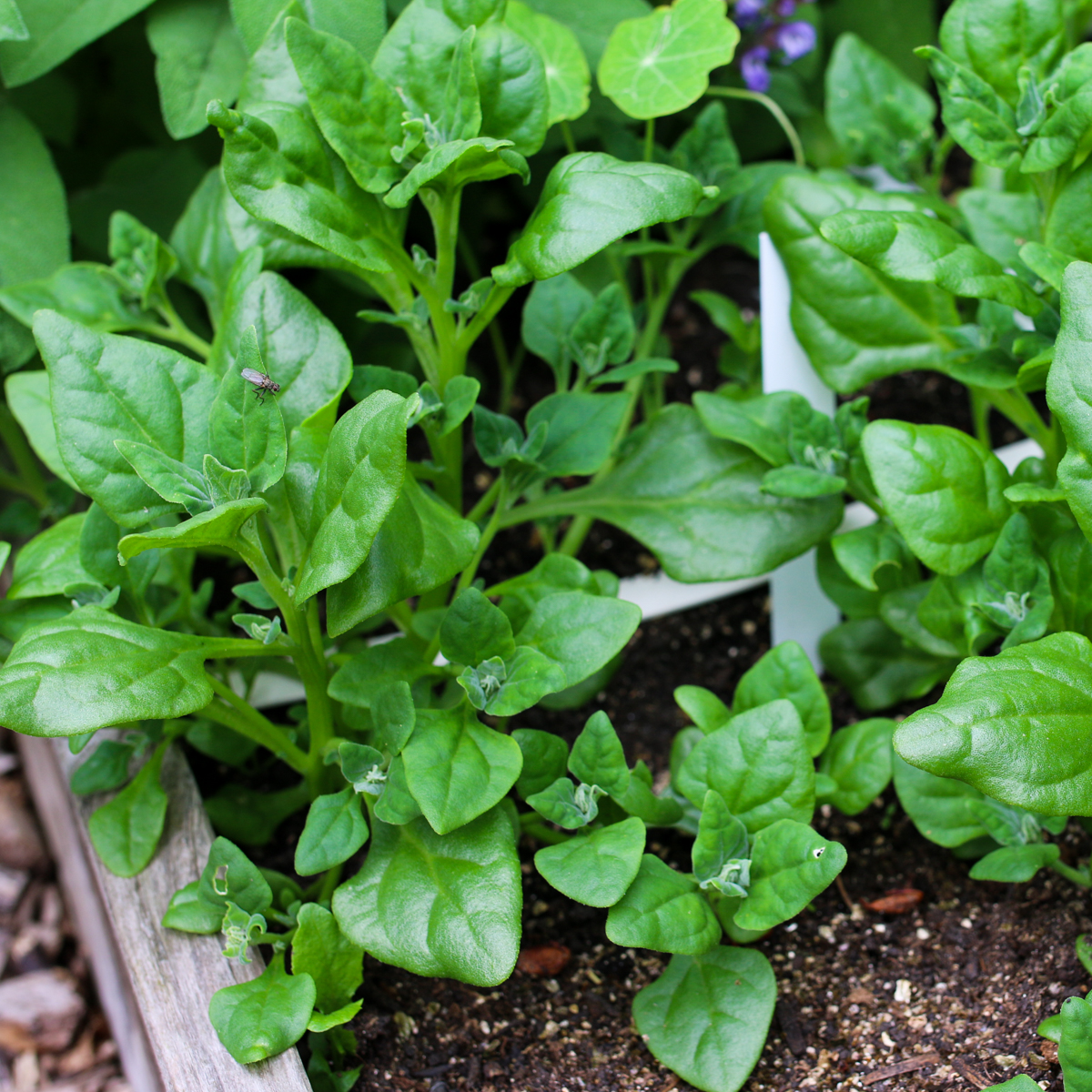
New Zealand spinach: a great alternative to ordinary spinach
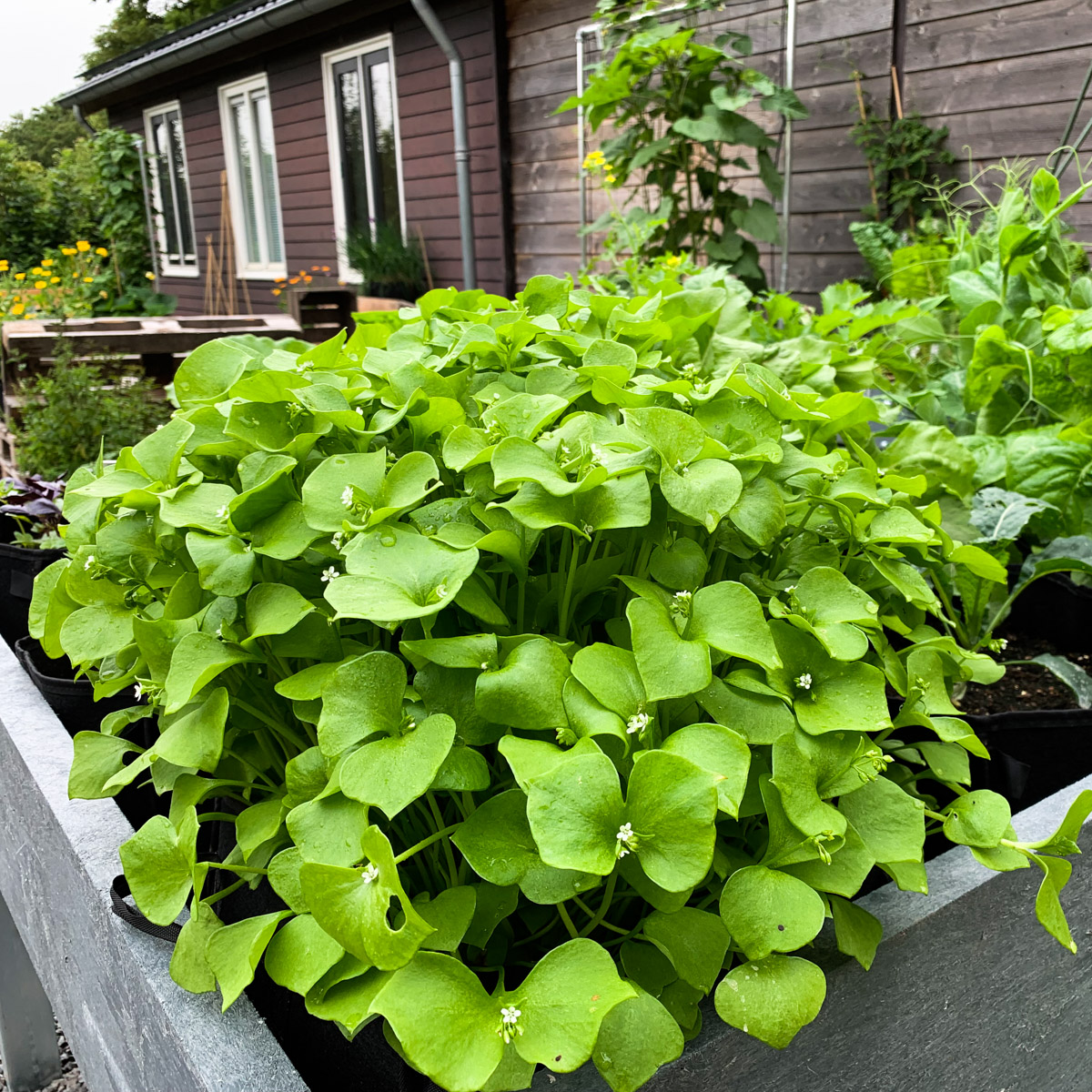
Winter purslane is relatively unknown too, but very tasty and super healthy. It thrives in cold weather.
It even survives severe winters with ease, so you can still harvest fresh greens during the darker months, including for delicious salads.
Winter purslane copes extremely well with cold
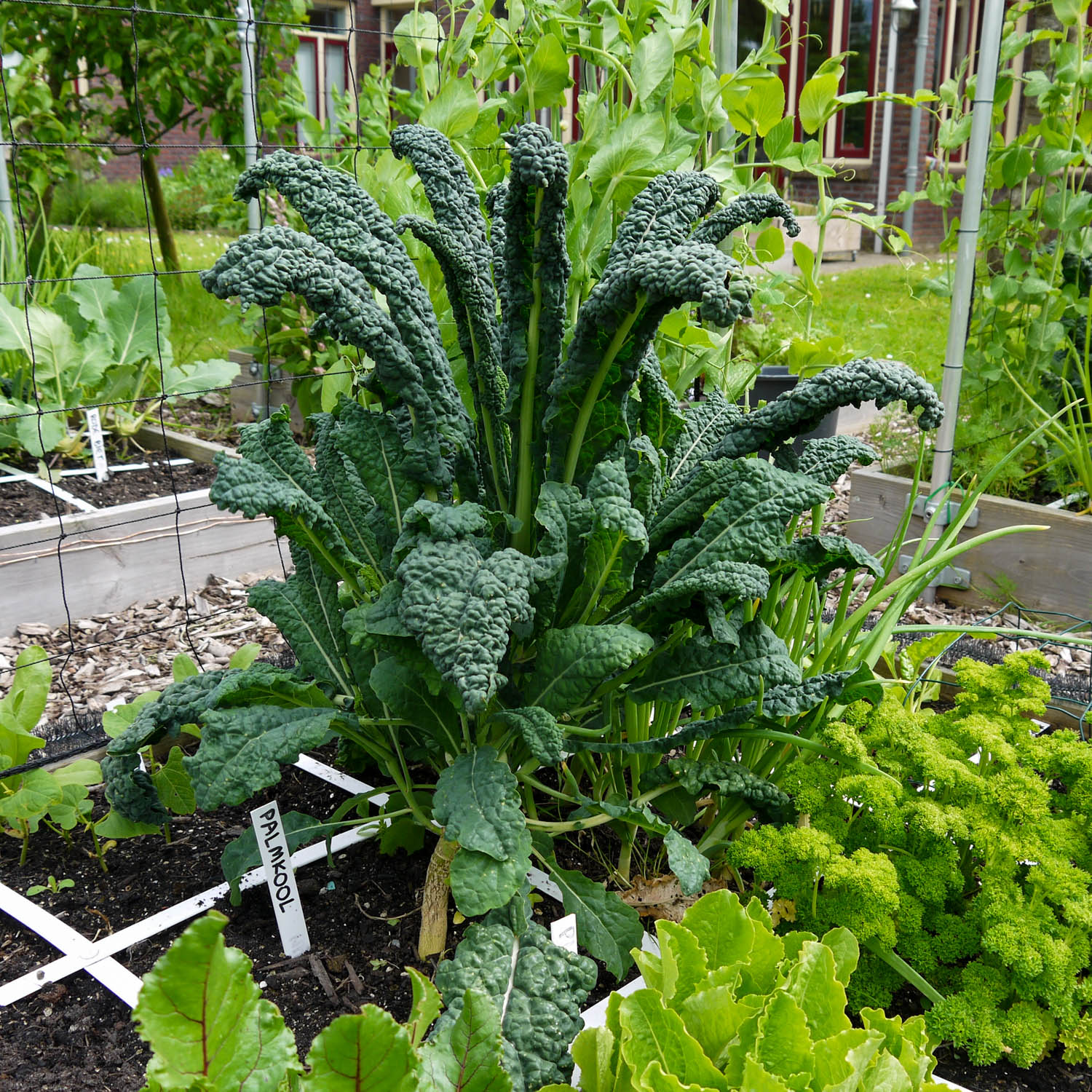
Dino kale is a type of kale with pointed, crinkled leaves that grow upwards rather than outwards.
This means the plant only needs one square, while ordinary kale soon takes up four.
Dino kale: beautiful, healthy and happy in one square
Familiar vegetables - but still special
Most of the vegetables are fairly familiar, although the varieties can be special.
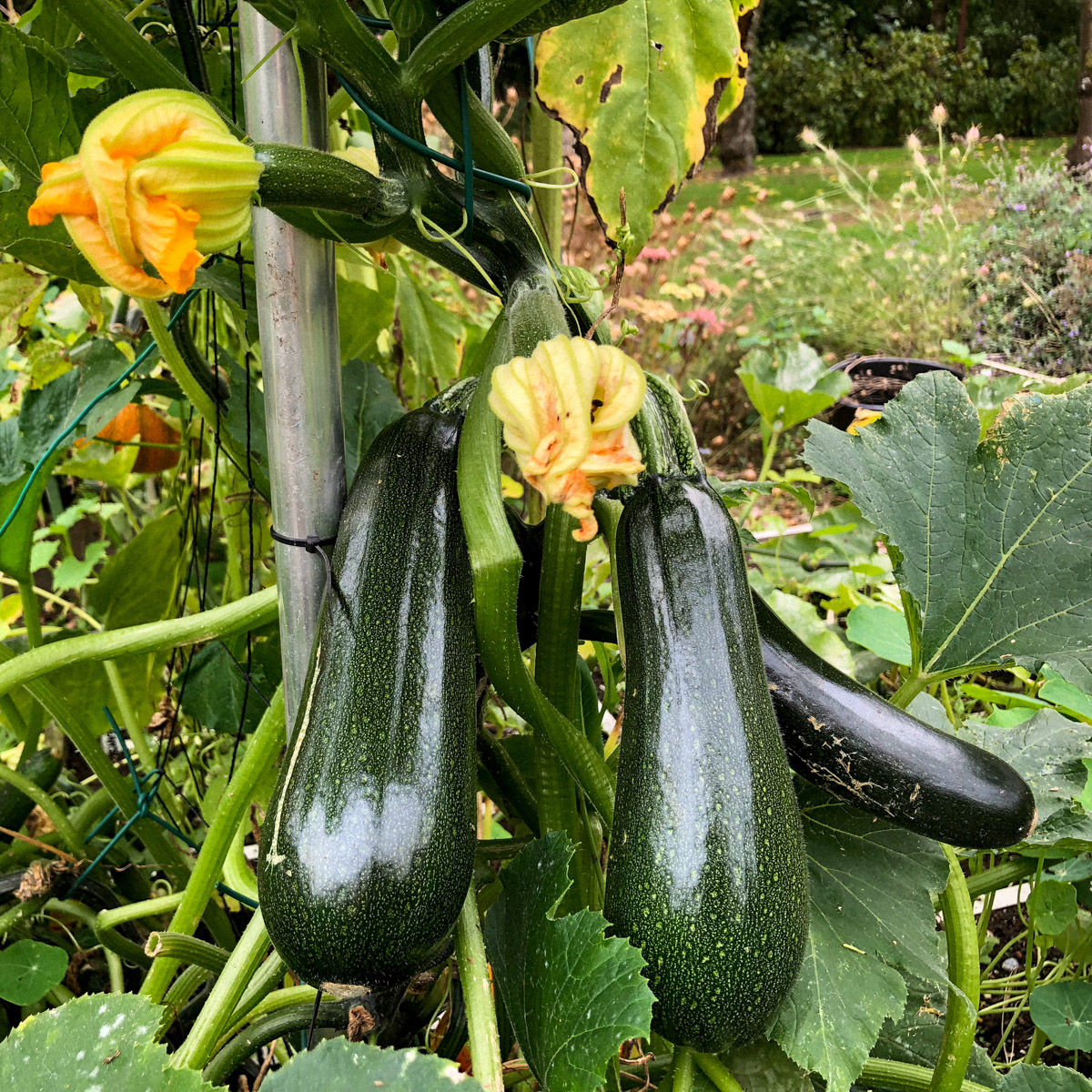
Our climbing zucchini, for example, grows a long stem. You can tie it to a trellis so it grows upwards, taking up much less space than an ordinary courgette that can fill half your raised bed.
Tie our climbing zucchini to a trellis
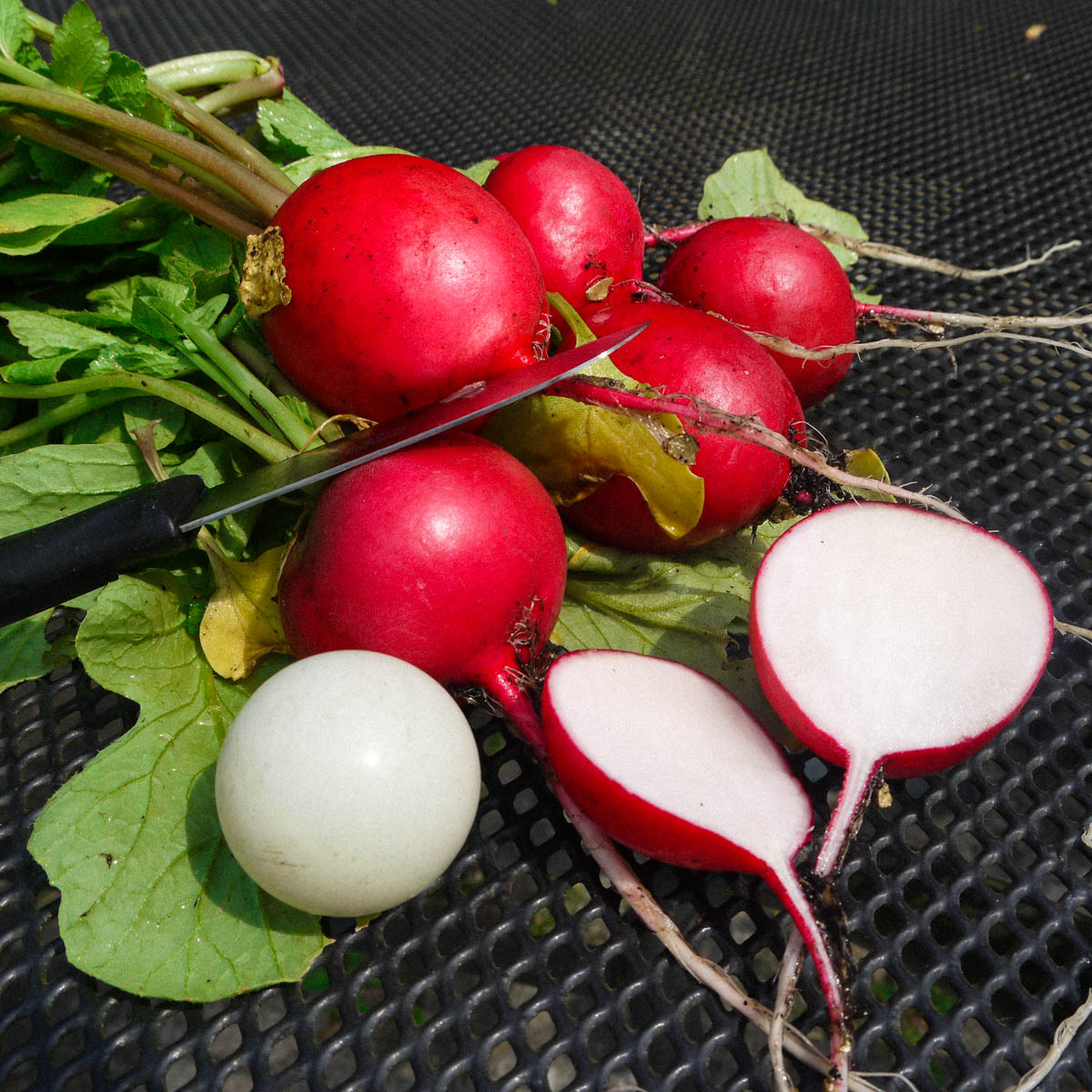
And if you're sowing radishes anyway, why not sow the tastiest and biggest ones?
When they reach the bottom of your raised bed, they simply grow thicker. Other varieties keep growing and turn the corner.
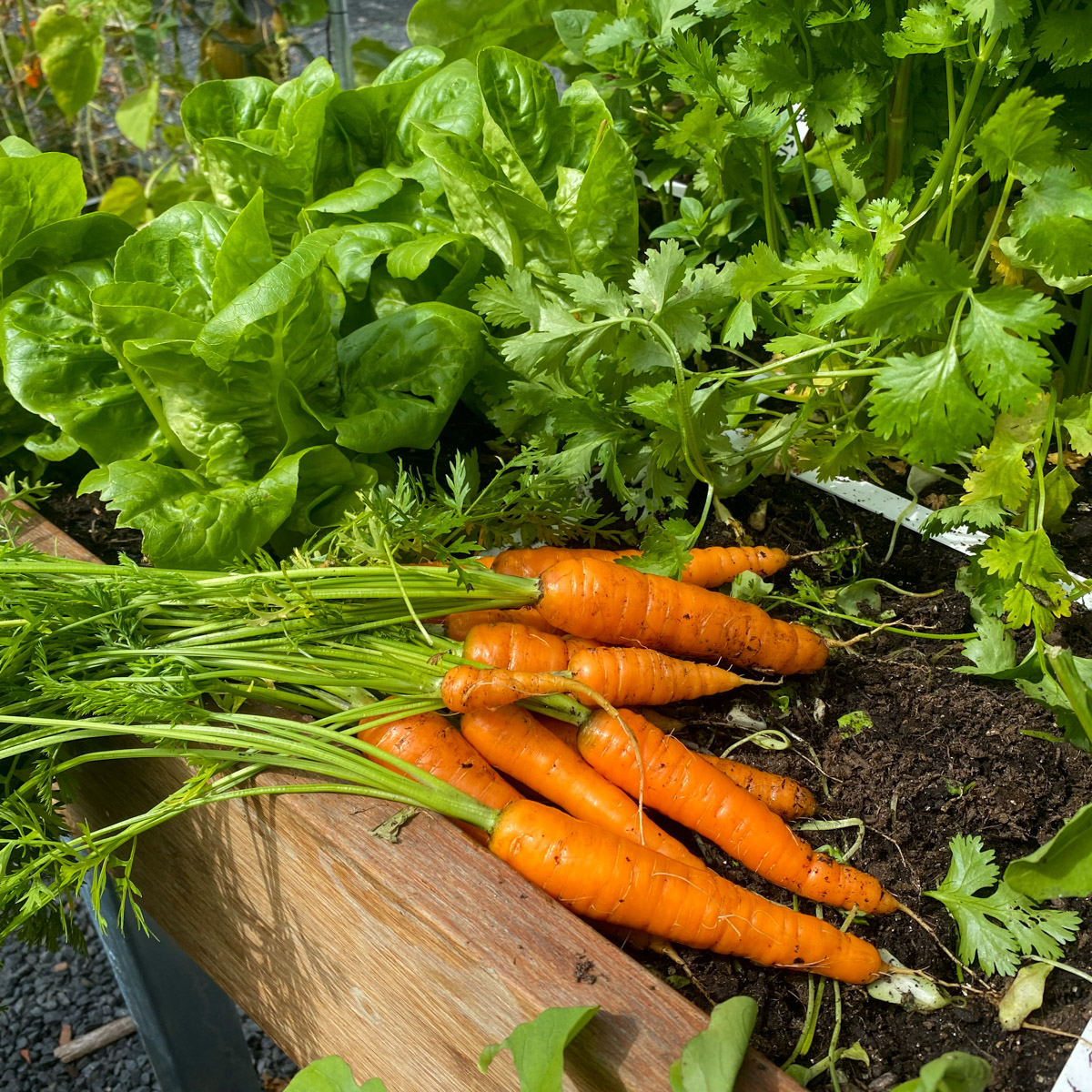
Short carrots with rounded tips
I therefore choose familiar vegetables that suit the Makkelijke Moestuin and our climate, and of course taste delicious too.
That makes sense. But where are the broccoli and cauliflower? Aren't those proper Dutch vegetables too?
They are.
But those vegetables take months before you can harvest the broccoli head or cauliflower.
If you get that far: the plants are magnets for slugs and caterpillars. They also grow huge and don't fit in one square.
In a Makkelijke Moestuin, you want exactly the opposite:
fast, compact growth
easy growing
a high yield from each square
and a long harvest period
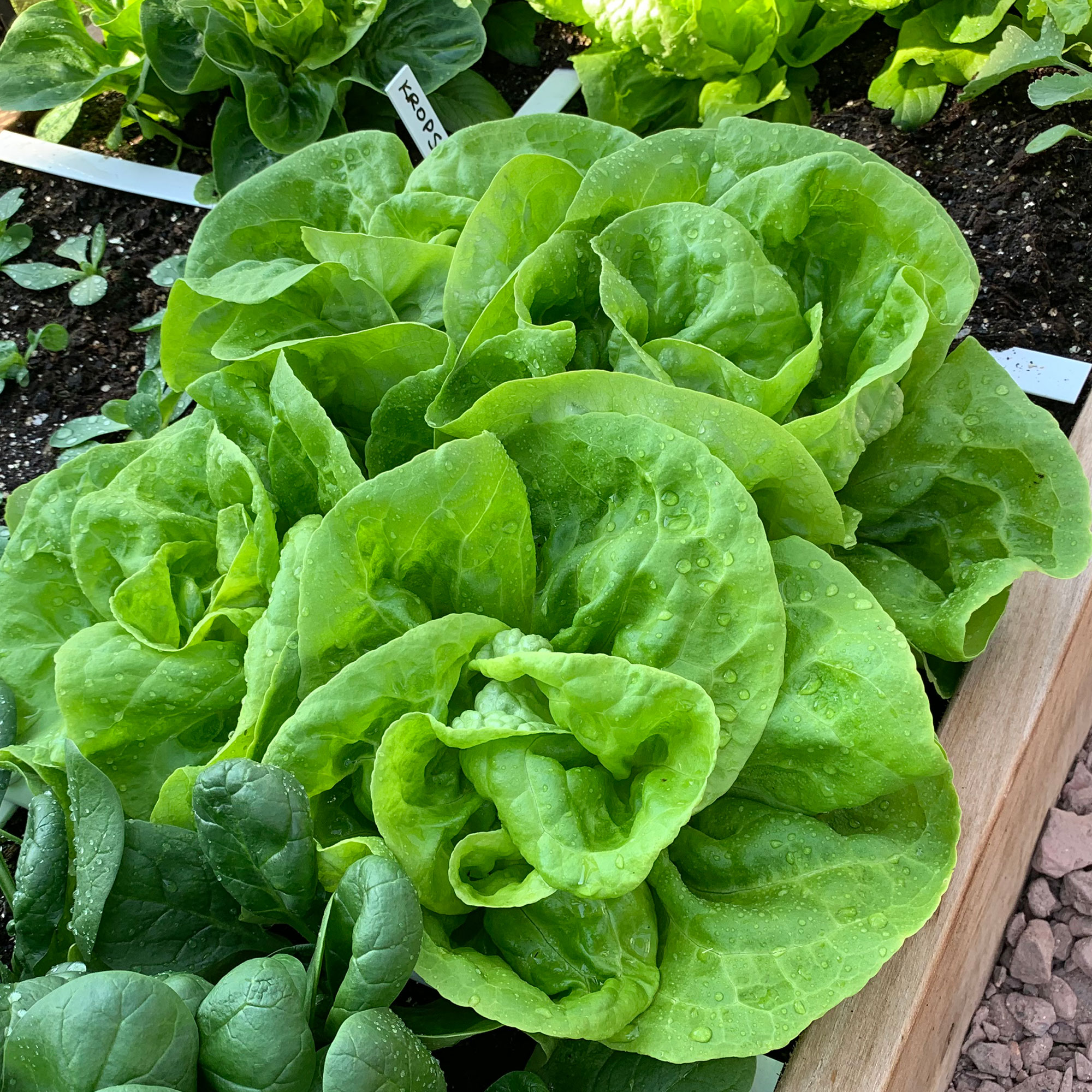
Take head lettuce:
You harvest the first leaves before the head is fully grown and keep going for weeks, until the plant flowers and the leaves turn bitter.
Then remove the plants from your raised bed, use the last leaves in a stir-fry or soup, and sow another vegetable in the square.
Head and leaf lettuce keep producing much longer when you harvest the leaves rather than whole heads
Meanwhile, you've already sown new lettuce in another square, so you can keep harvesting. And because you sow lots of different vegetables in one raised bed, the variety is enormous.
That's how you make the best use of your squares and harvest plenty from a single raised bed.
So:
Want a fantastic and varied harvest this year? Choose vegetables that reliably succeed: suitable for raised beds and for the Dutch climate.
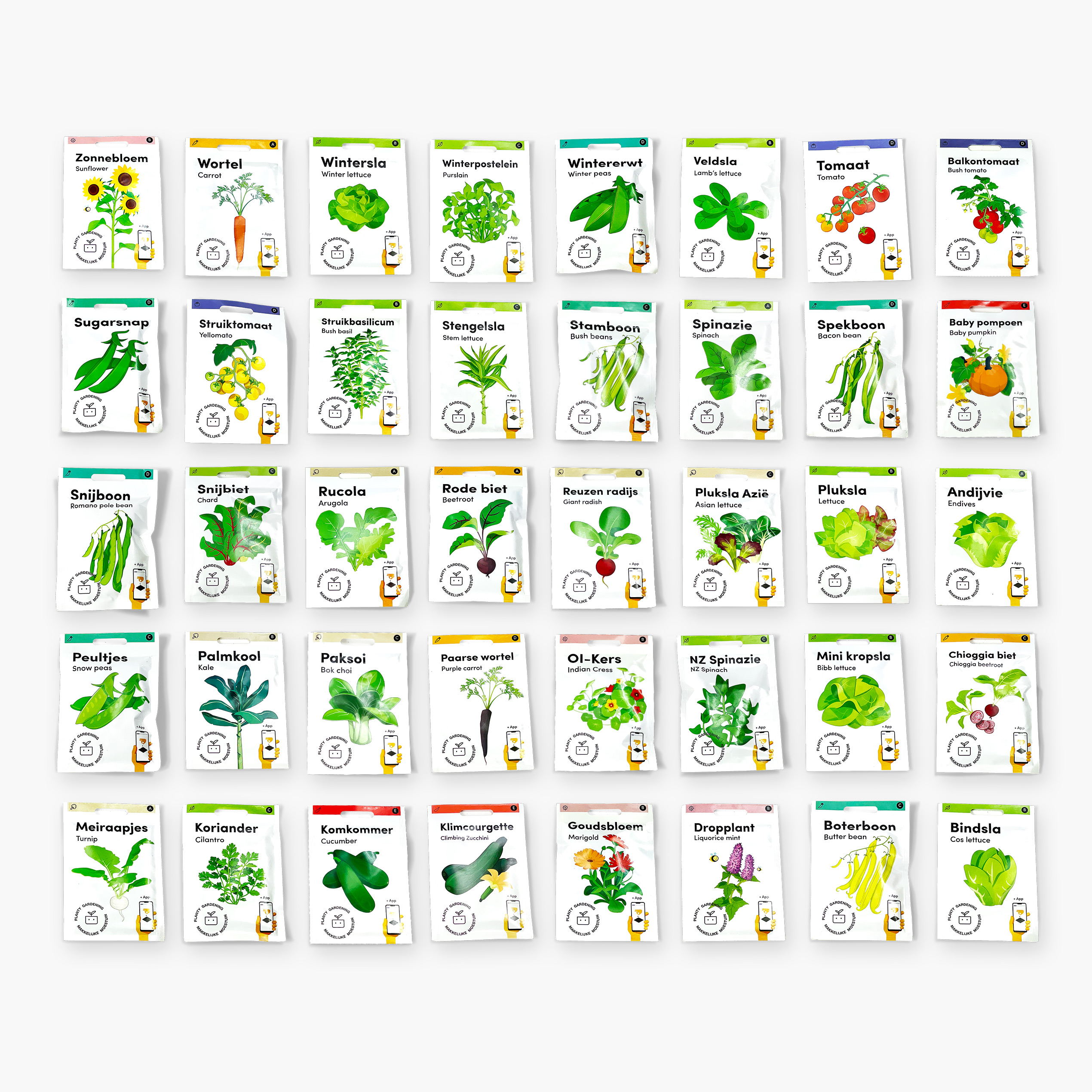
We've selected the best varieties for you and put them together in our seed collection:
Makkelijke Moestuin seeds
Altogether, there are dozens of different vegetables and herbs: more than enough to fill several raised beds to bursting.
You'll also find every variety in our app. It guides you step by step, from seed to harvest, so you don't need green fingers or vegetable gardening experience.
"I completely understand the temptation to try unusual vegetables. I still fall for it occasionally."
"But after many years of experience - and plenty of failed attempts - here's my sincere advice: leave exotic and difficult vegetables to professional growers, especially when you're just starting out. You'll have a much better chance of a good harvest."